“Marco Polo and the Franciscans in the East in the 13th and 14th Centuries”
October 19, Conference in collaboration with the PUA
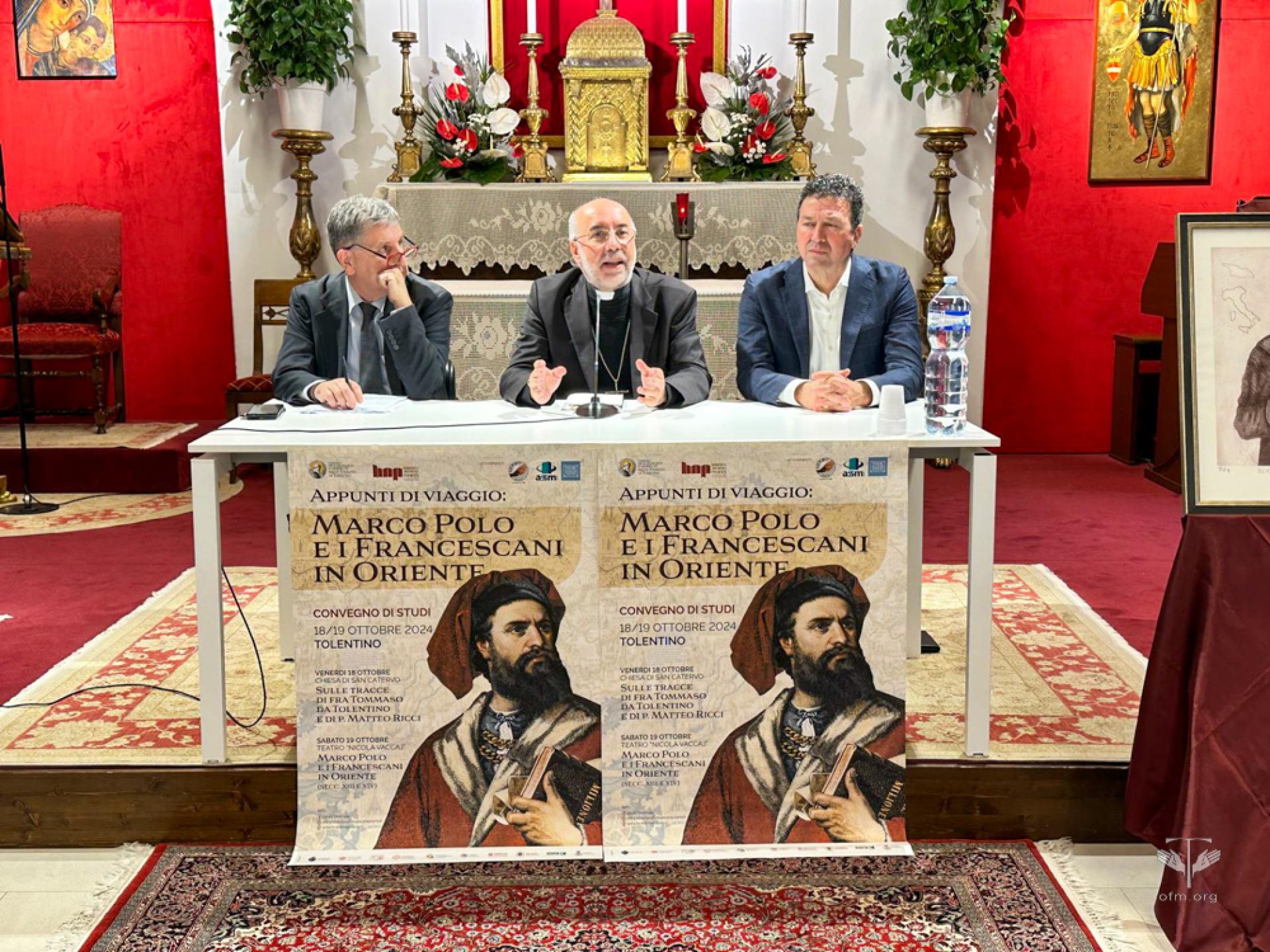
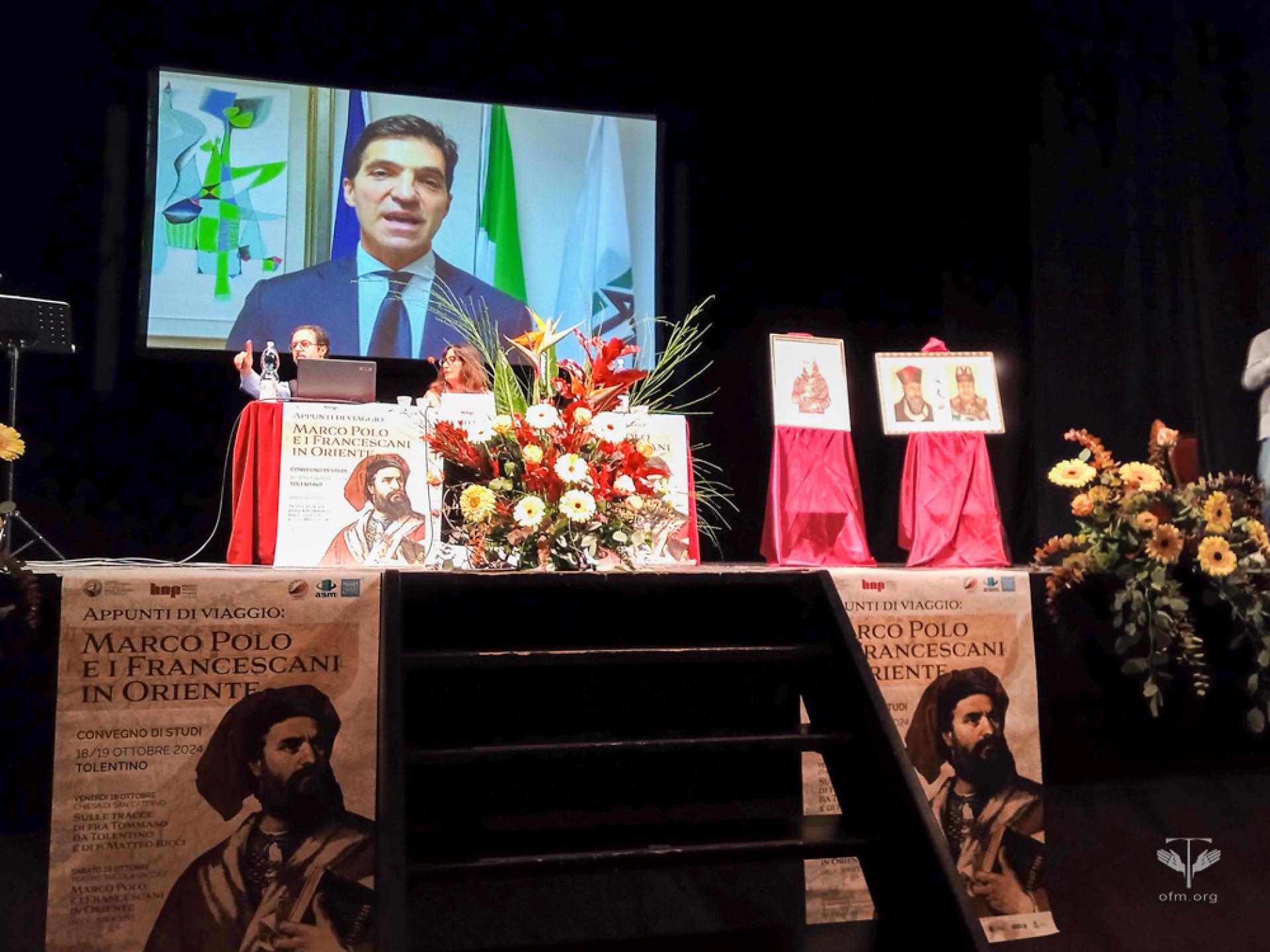
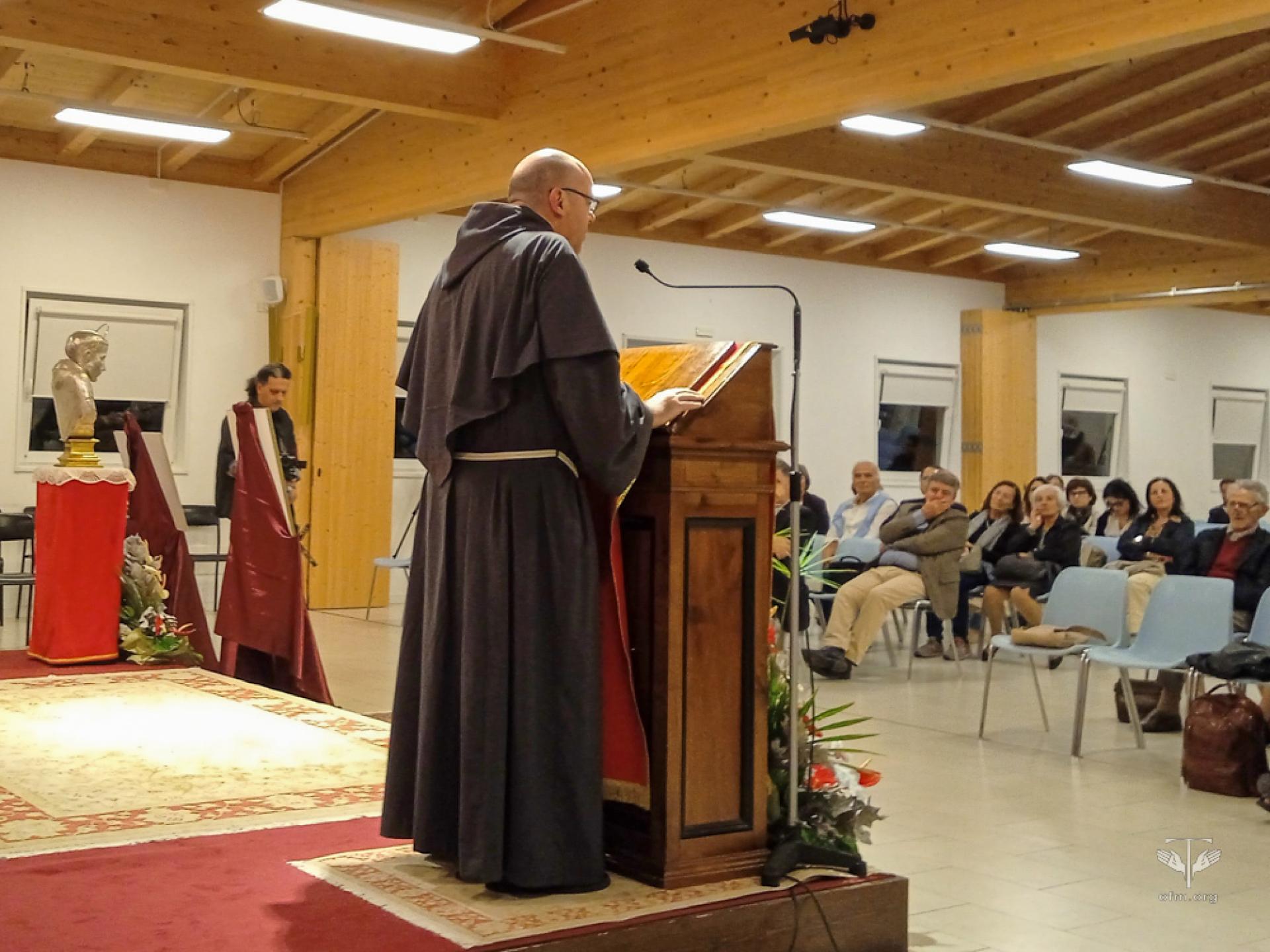
22 October 2024The conference, “Travel Notes: Marco Polo and the Franciscans in the East in the 13th and 14th Centuries”, organized in collaboration with the Pontifical University Antonianum, took place on October 19 in Tolentino, Italy.
In the context of the seventh centenary of the death of the Venetian merchant, the meeting presented a real “exchange of views” on the Franciscan experience in China and beyond. Professor Nazedhda Romanovna Khan of the University Kyrgyz - Russian Slavic University – illustrated how the inhabitants of those lands perceived themselves to be seen by Westerners, while Professor Raissa De Gruttola of the University Ca’ Foscari in Venice, in her speech, Marco Polo and the Franciscans: Notes on Chinese Language Studies, showed how today the Chinese think they have been seen and described by merchants and friars from the West.
A meeting of minds that can indicate a method and an effective path to follow, highlighting the distance between the different ways of reading and narrating history, but also the desire for a fruitful journey together, to know a past whose effects on the present are perceptible to all.
The importance of this conference was also highlighted by the letter dated October 18, 2024, sent by Cardinal Pietro Parolin, Secretary of State, in the name of Pope Francis: “On the occasion of the conference on the figures of Fra Tommaso of Tolentino and Father Matteo Ricci, as well as Marco Polo and his relations with the Franciscans, the Supreme Pontiff is pleased to extend his cordial greetings, expressing appreciation for the initiative aimed at deepening the missionary work and cultural activity of such illustrious personalities, friends and benefactors of the East. His Holiness hopes that the memory of these protagonists of their time, attentive to social changes and committed to building relationships between European and Asian civilizations, will reaffirm the importance of dialogue among different populations and religions in mutual respect, to build bridges between all people, so that each may find in the other not an enemy, not a competitor, but a brother to welcome and embrace. With these sentiments, the Holy Father wishes every success to the work of the congress and sends his apostolic blessing to the organizers, speakers and all those present”.
It is hoped that, just as the travels of Marco Polo and the Franciscans paved the way, these meetings can help build a shared narrative of history and, above all, of the future.
Fr. Pietro Messa, OFM
Pontifical University Antonianum