A day at St Anthony’s Dining Room in the city of San Francisco, California
"These are the treasures of the Church"
12 January 2026On 1st January, 2026, the city of San Francisco, California, dawns with little commercial and social activity. The thermometer reads 11º Celsius and the rain is present. One of the city's central neighborhoods is the Tenderloin, currently known for its high concentration of homeless people, the sale and consumption of drugs, especially fentanyl, and poverty. In the heart of this neighbourhood is the church of St Boniface administered by the Franciscans since 1887.
At 9:00 am. 121 Golden Gate Avenue runs through the Tenderloin, and that is where the San Antonio Dining Room is located. At this time of day you begin to notice a group of people forming a line. The Dining Room was founded in 1950 by Br. Alfred Boeddeker, OFM, who was the parish priest of St. Boniface, the church under which the St. Anthony Foundation was born whose mission is "to feed, heal, shelter, clothe, lift the spirits of those in need and create a society in which all people can thrive."
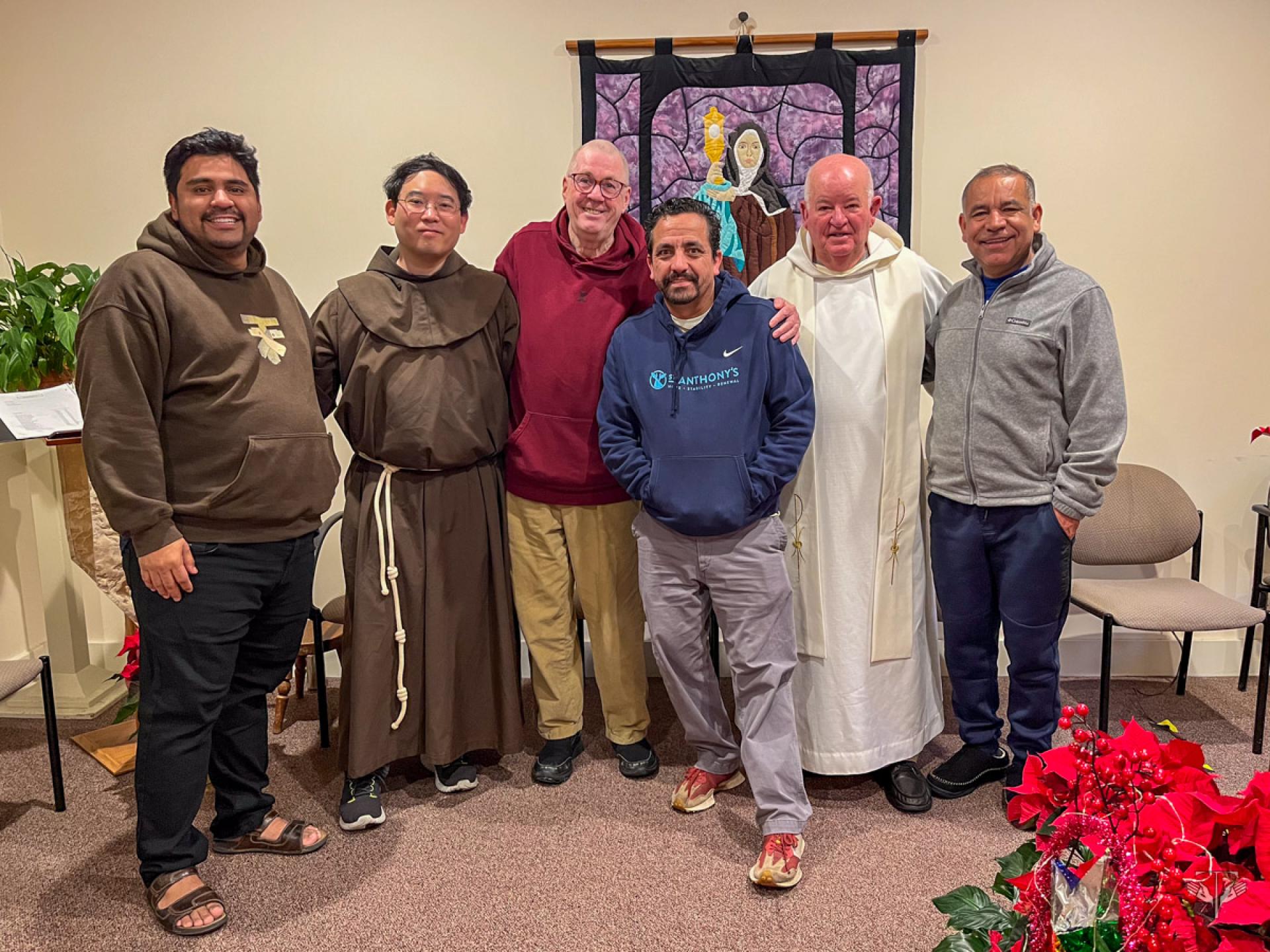
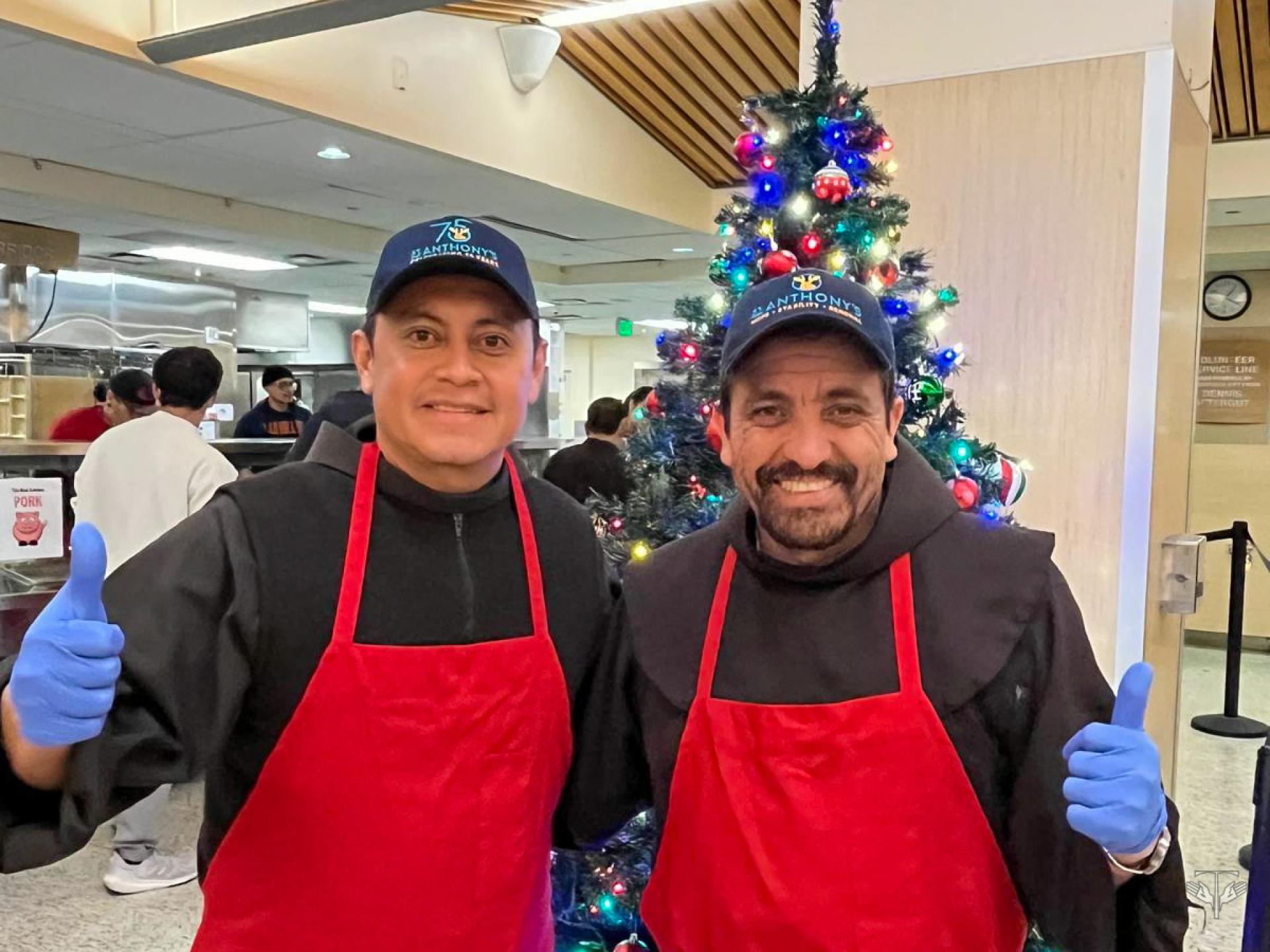
To-day, ten Franciscan friars are at the service of St Boniface church and the different programmes managed by the Foundation. It is an intergenerational, multilingual and multicultural fraternity that knows how to combine its fraternal life with the demands of daily work. One of them has taken as an apostolate to go out into the neighbourhood in search of the inhabitants of the street to offer them sheets, socks, hats, raincoats, scarves, or whatever he receives in donations, so that the night is as unforgiving as possible.
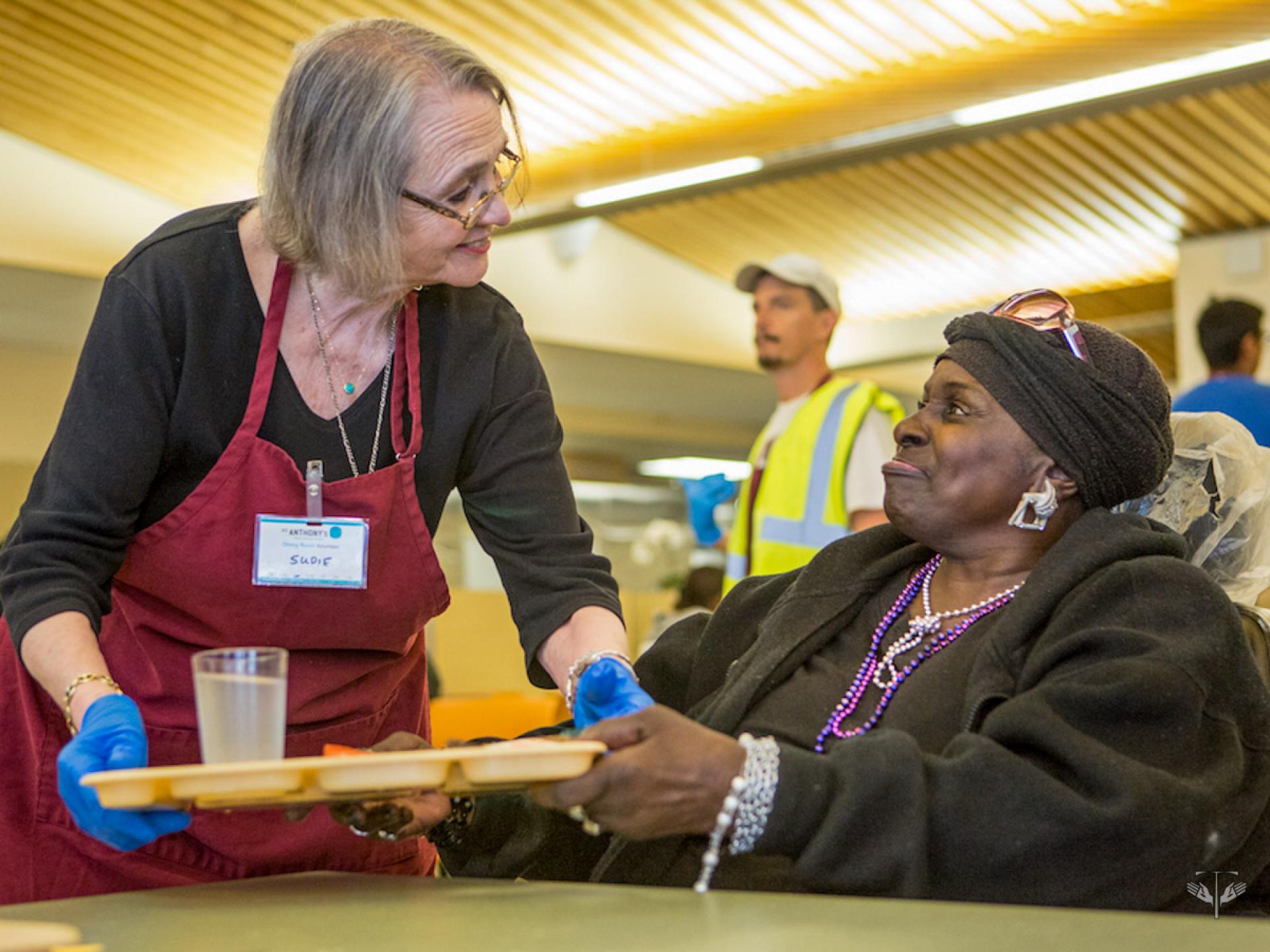
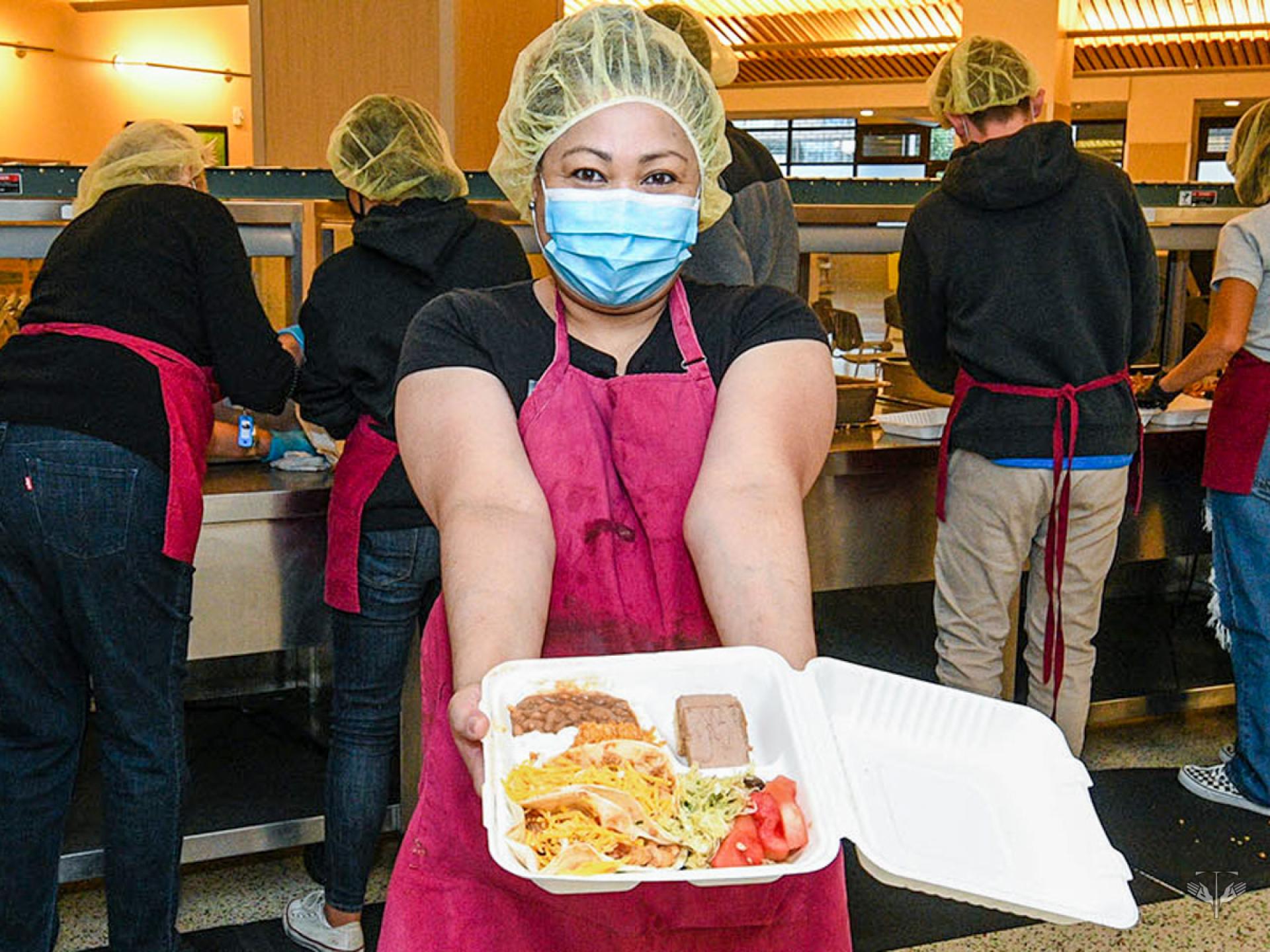
At 9:30 am. It is the arrival time of the volunteers who will serve for the next four hours. The food is ready, the dining room looks clean and hygienic. Aurelio, one of the 260 collaborators who work at the Foundation, begins to lead physical warm-up exercises in order to prepare the body for work. Then general indications are offered and service areas are assigned: distribution of food and water, cleaning of tables, attention to people with physical disabilities, etc.
On the 7th November, the St Anthony Foundation celebrated seventy-five years of existence. That humble dining room of Br. Alfred "has become a vibrant community centre that accompanies more than 10,000 neighbours each year."
Among the beneficiaries of this programme are the homeless; those with low incomes, but with a home, and within these two groups there are some who have fallen into alcoholism or drug addiction.
At 10:00 am. The St Anthony’s Dining Room opens its doors to receive the first diners. The most commonly used greeting by everyone is: "Happy New Year!" Half an hour later the dining room tables are almost full. The faces, languages, and accents of the people who occupy them reveal their origin: Asia, the Middle East, Eastern Europe, Latin America, Africa, etc.
Some of them were born in the country, most of them are migrants. Everyone knows that in this Dining Room they have a place that not only offers them a lunch, but also welcomes them with respect and affection three hundred and sixty-five days a year. In addition to lunch, they can access the distribution of breakfast and dinner to go, as well as the weekly delivery of a bag of food.
At 12:00 am. After two hours of intense work, the people in charge of the soup kitchen give some of the volunteers a twenty-minute break with their respective lunch and then a change of service. Once that time is over, the same is done with the other part of the day's volunteering.
Pope Leo XIV in his Apostolic Exhortation Dilexi te. On love for the poor, he affirms that their condition represents "a cry that, in the history of humanity, constantly challenges our lives, our societies, our political and economic systems, and especially the Church" (n. 9).
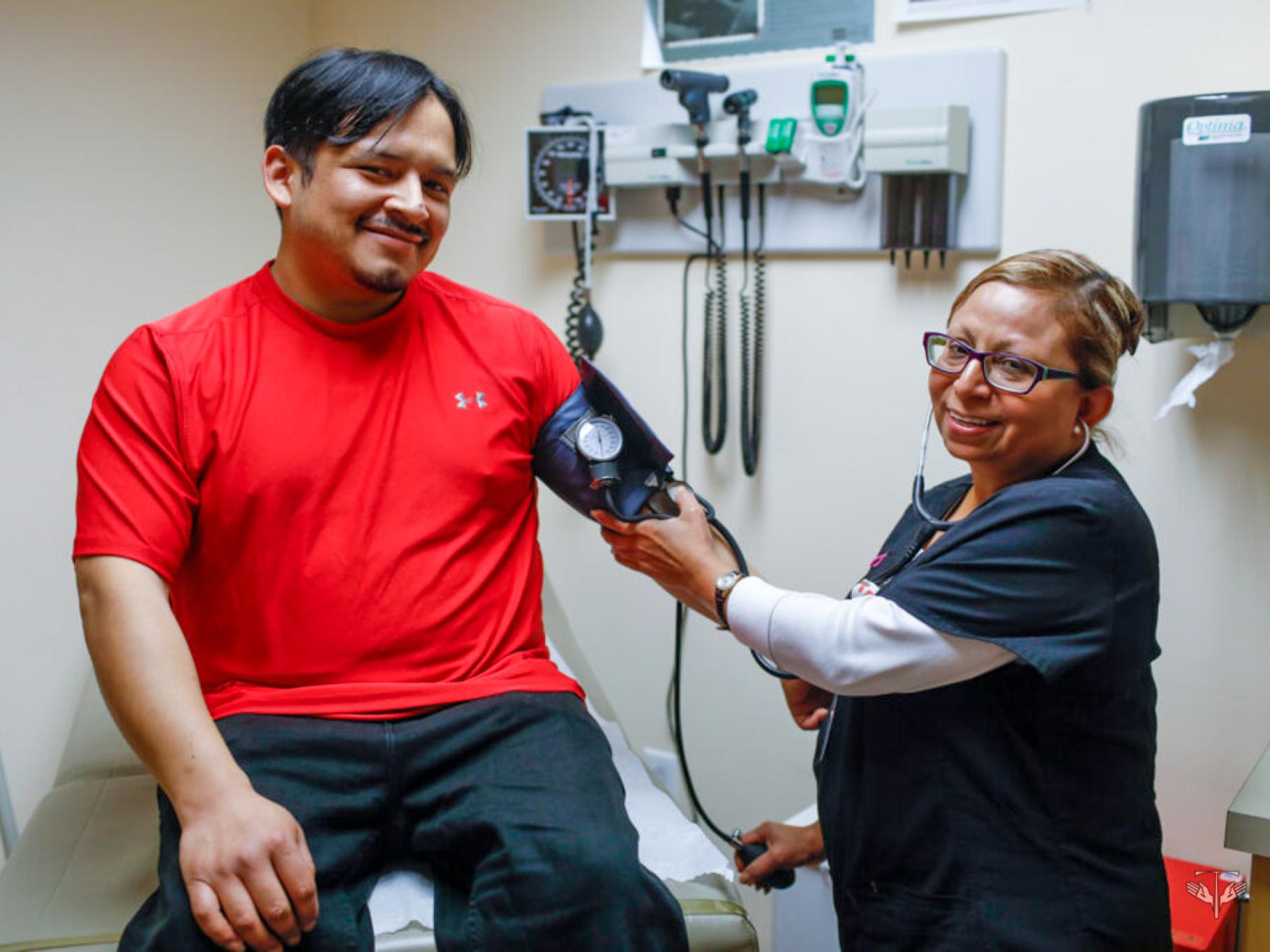
The St Anthony’s Foundation has allowed itself to be challenged by that cry and at this time responds to it through programs such as the Dining Room, free clothing, clinics for physical and mental health, a technology centre to reduce the digital divide, personal hygiene service with showers and laundry, the drug recovery programme with a view to reintegration into the labour market, advice on fair employment, women's empowerment, advice on migration and labour issues, personalised support and guidance in different areas, etc.
At 1:30 pm. The dining room has closed its doors, but a man with Asian features has been able to sneak in. The leaders and volunteers look at each other without knowing what to do. One of them, with a smile on his face, says aloud: "one was missing." Lunch is then served.
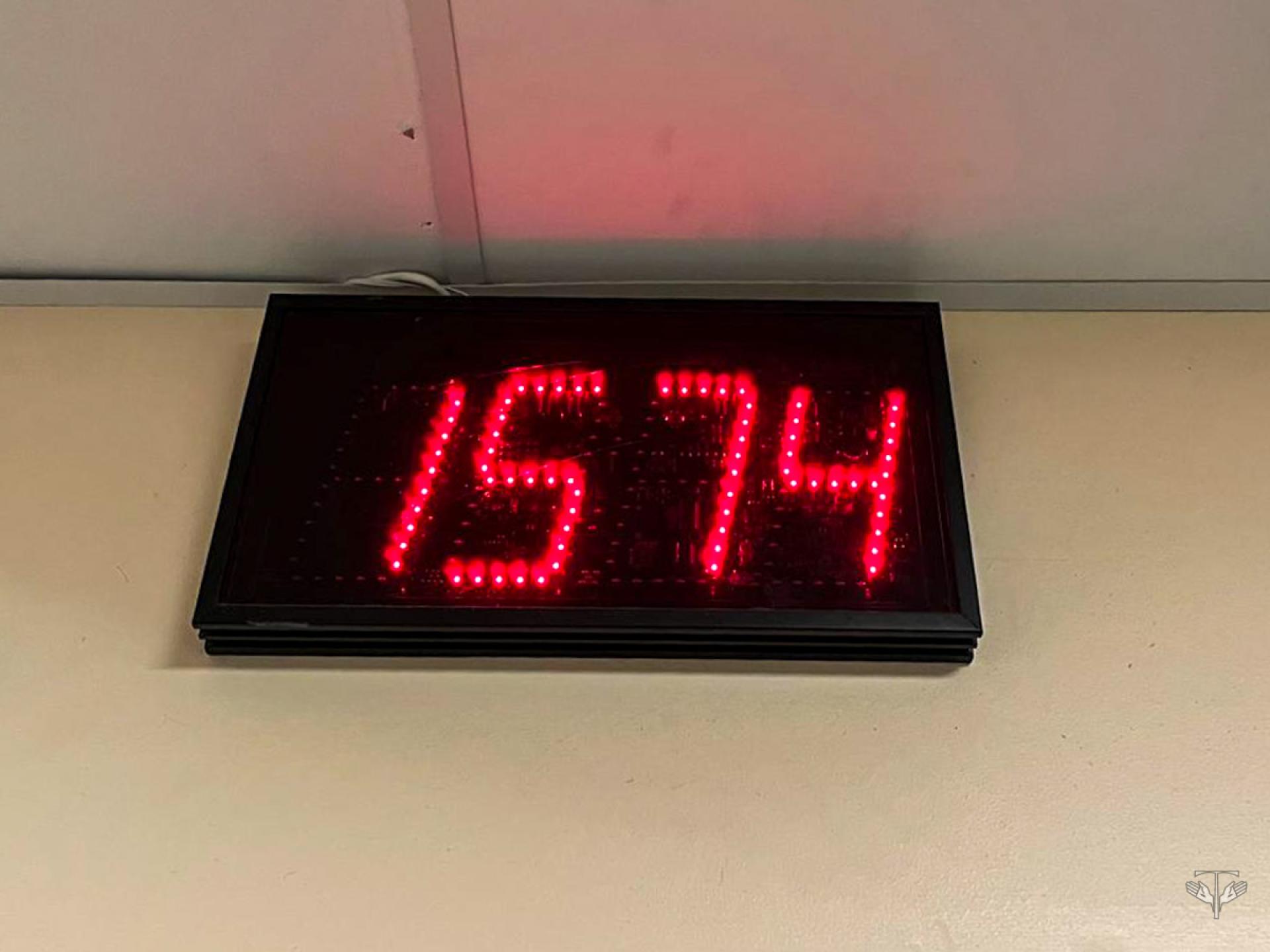
The work is done. A small screen located near the food distribution reports the number of lunches delivered on this first day of the year, namely 1574.
At 2:00 pm. Volunteers begin to leave the facilities, experience physical fatigue, but also satisfaction of the heart. A few meters from the Dining Room is the St Boniface’s Church. At that time, a group of people are seen leaving it and receiving their belongings that they left at the entrance. They are the beneficiaries of the St Clare’s programme that offers street dwellers at least eight hours of rest in the pews of the church, allowing them a safe and warm place under the care of a staff that welcomes, protects and attends to them.
When in the third century the authorities of the Roman Empire asked the deacon St. Lawrence to bring them the treasures of the Church, he distributed amongst the poor the few possessions that the Christian community possessed, presented to the authorities a multitude of poor, crippled and blind with the iconic phrase: "These are the true treasures of the Church."
In this place, the Franciscan friars for more than seventy-five years have dignified the poorest and most vulnerable people left on the streets by the prosperous and opulent society. Without a doubt, they are convinced where the true treasures of the Church are to be found, and opening the doors to them daily is their greatest joy.
Br. Daniel Rodríguez Blanco, OFM
Director of the JPIC General Office