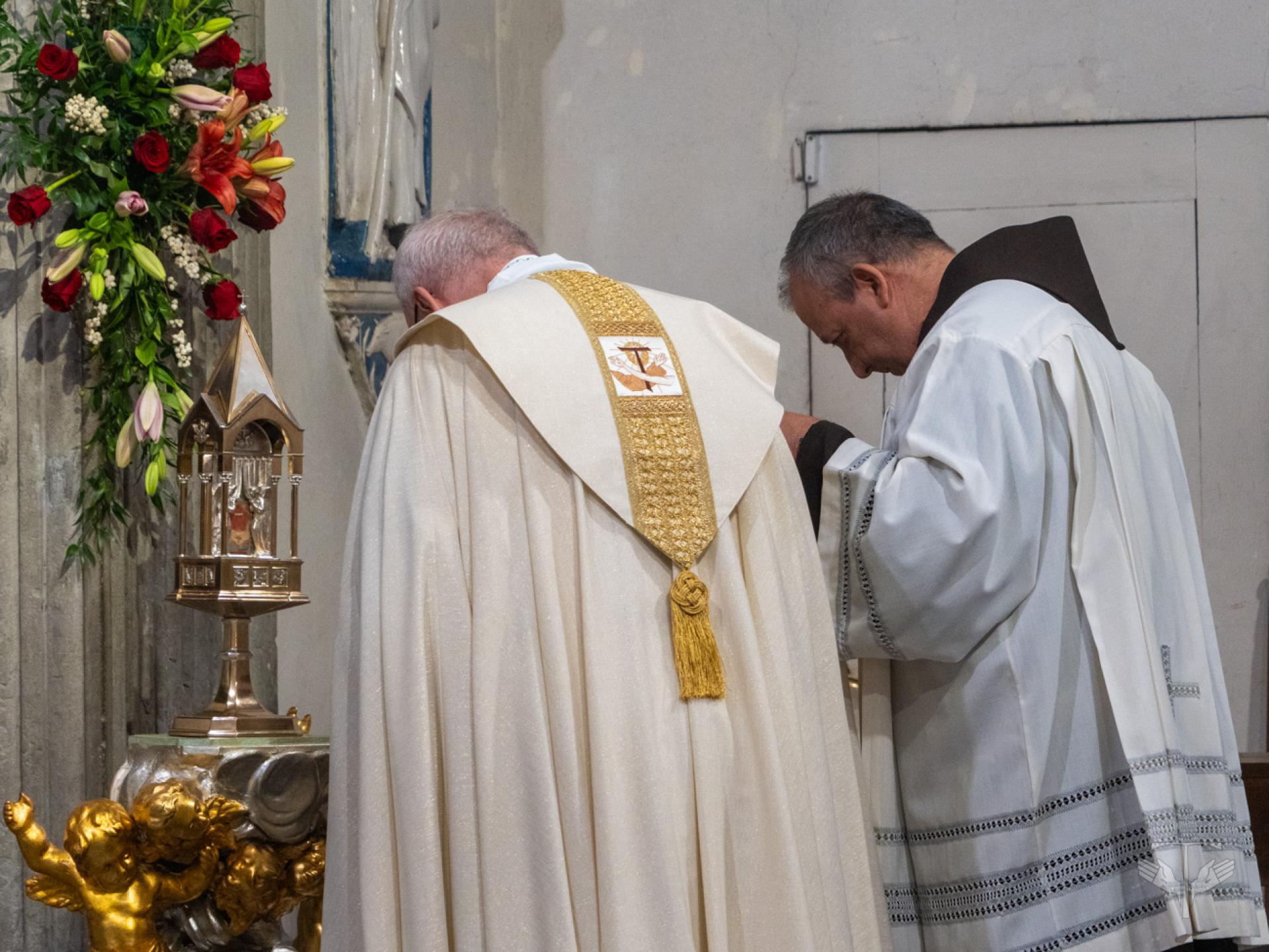
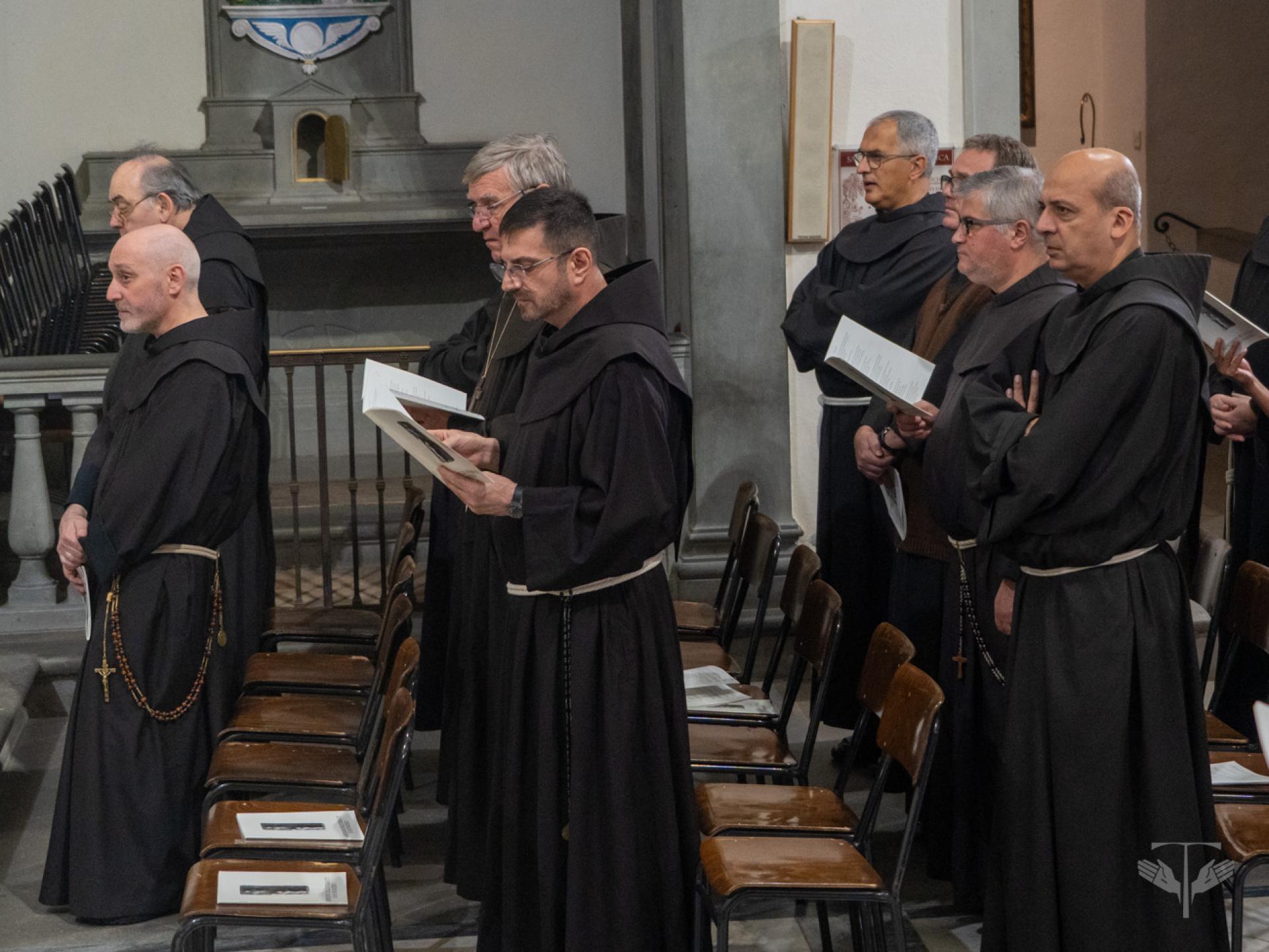
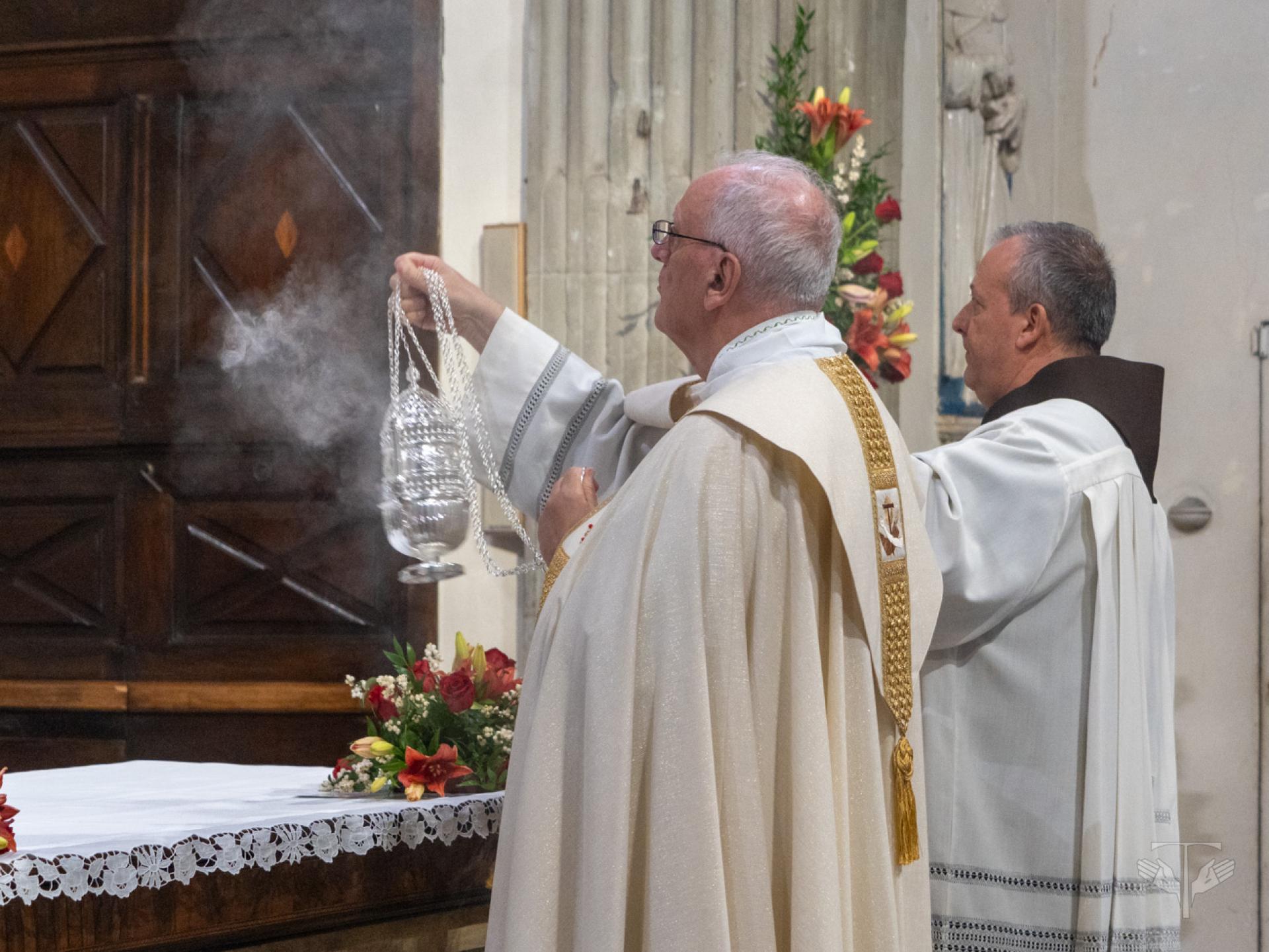
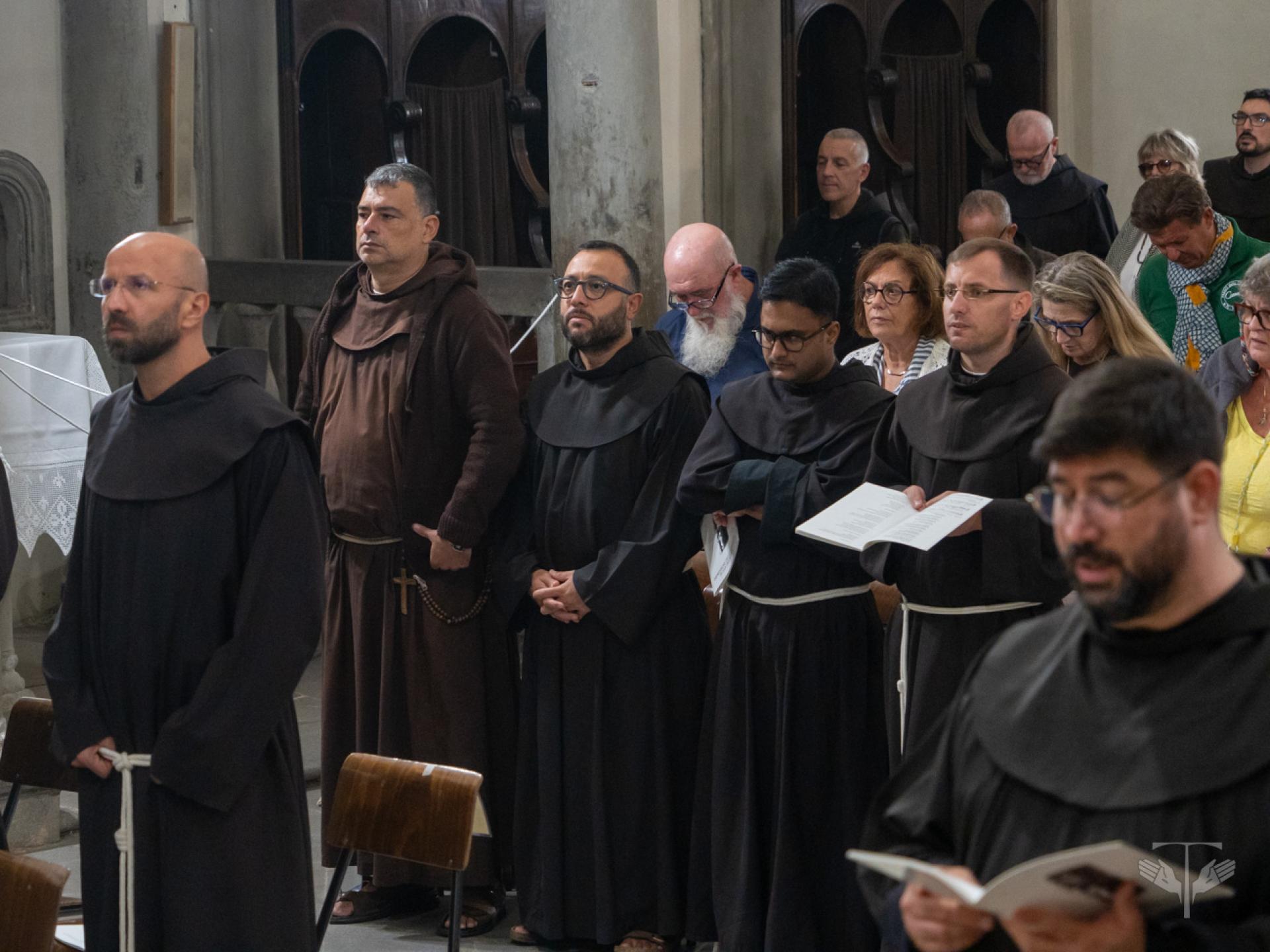
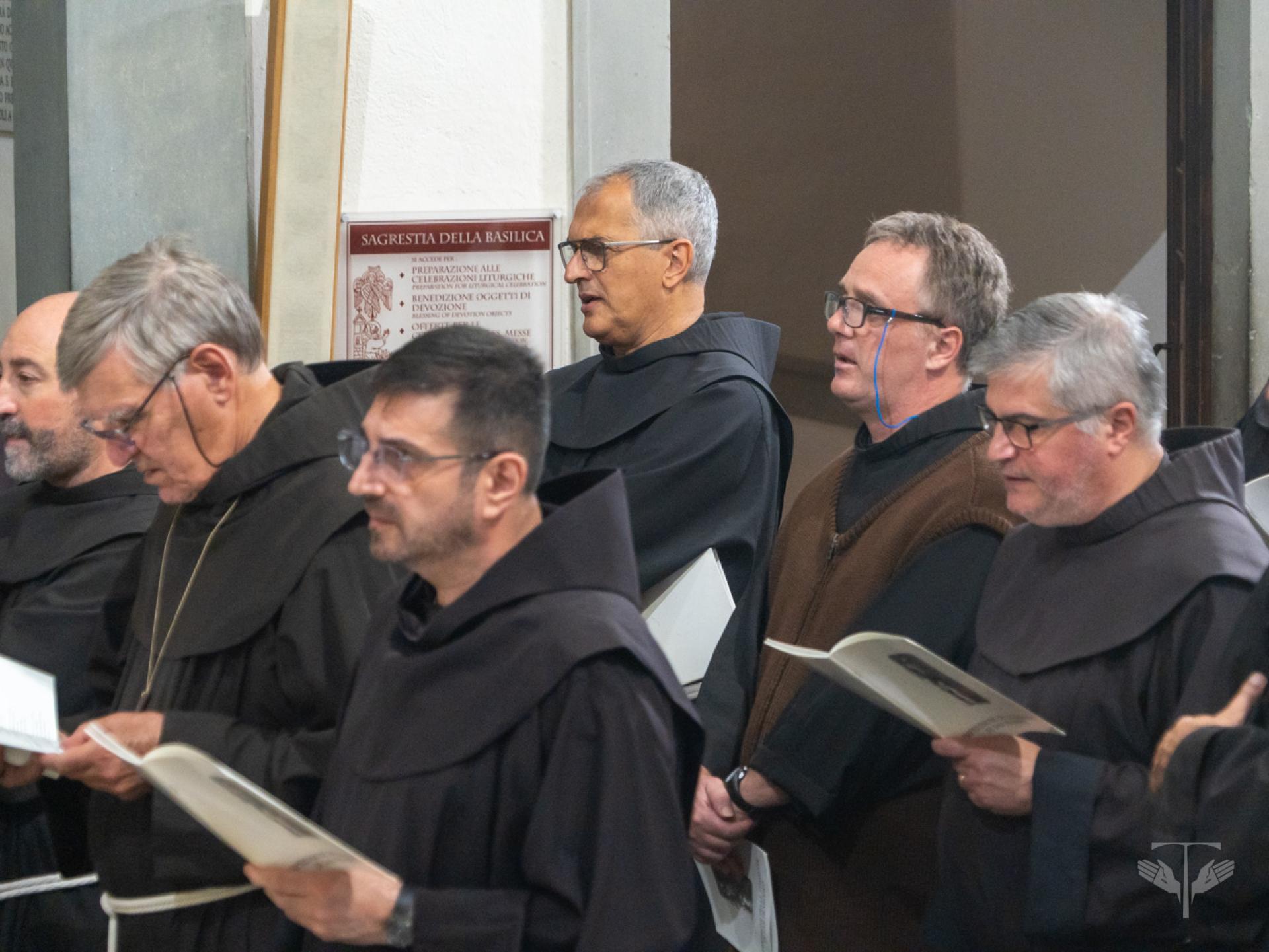
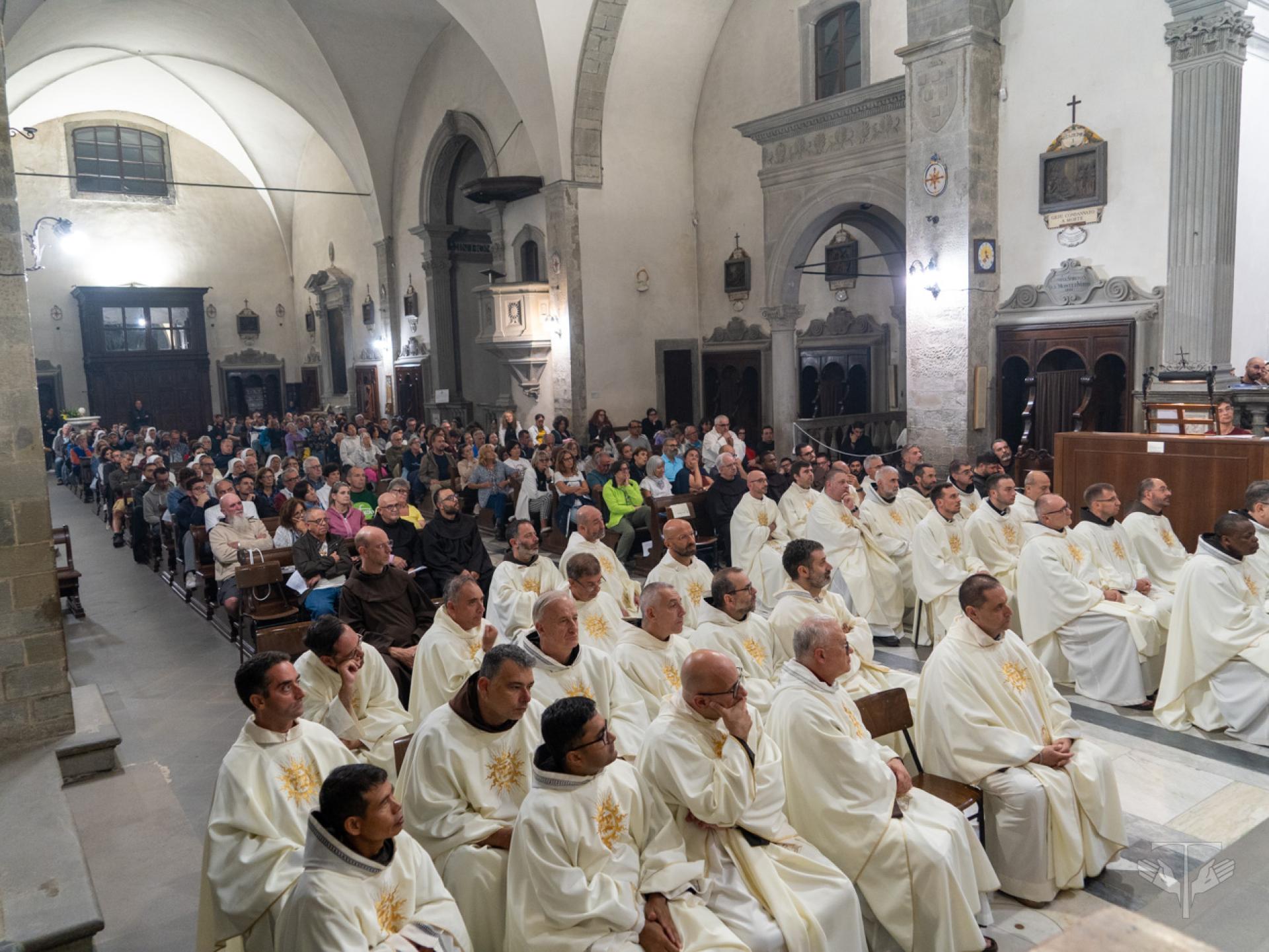
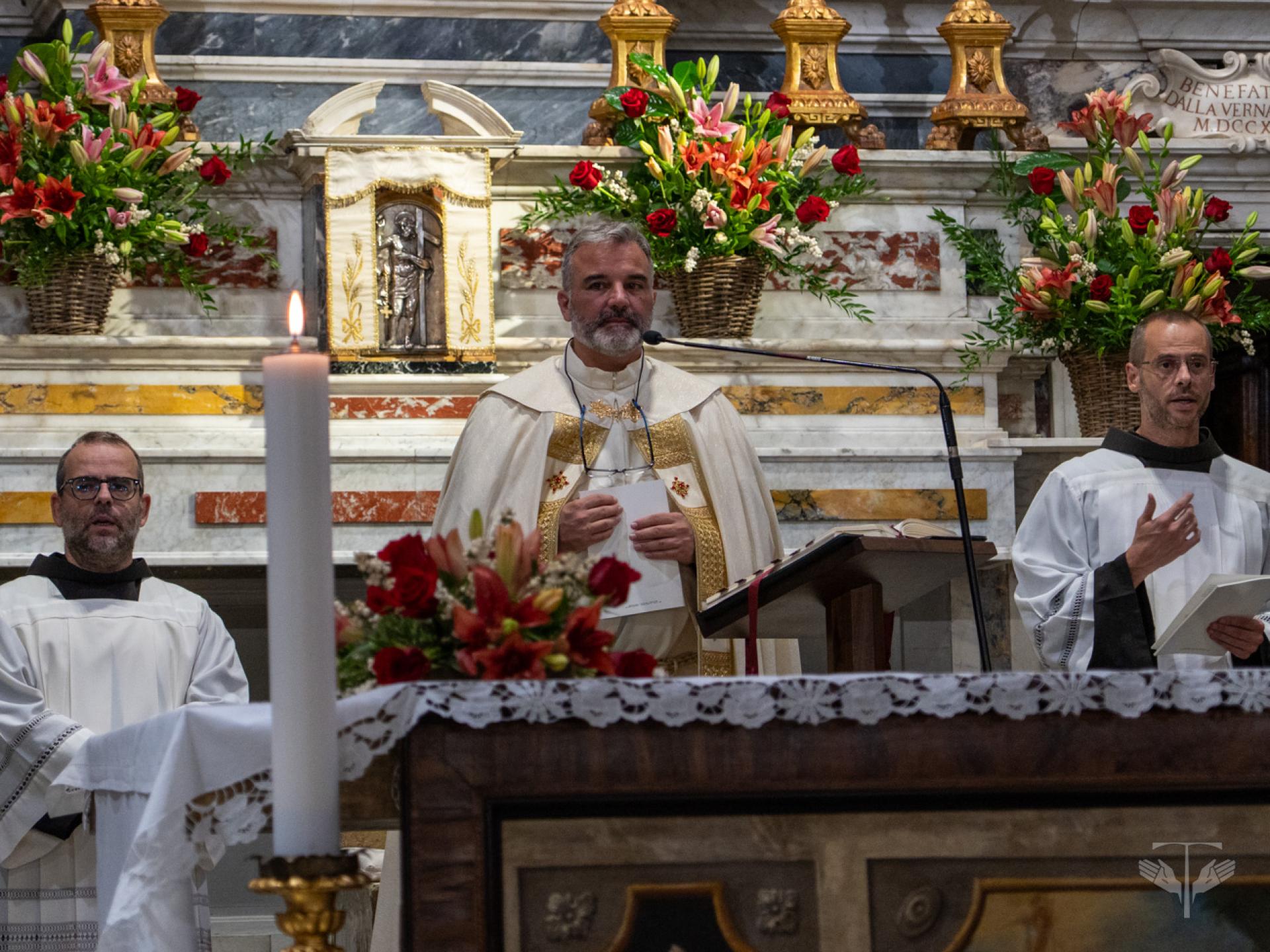
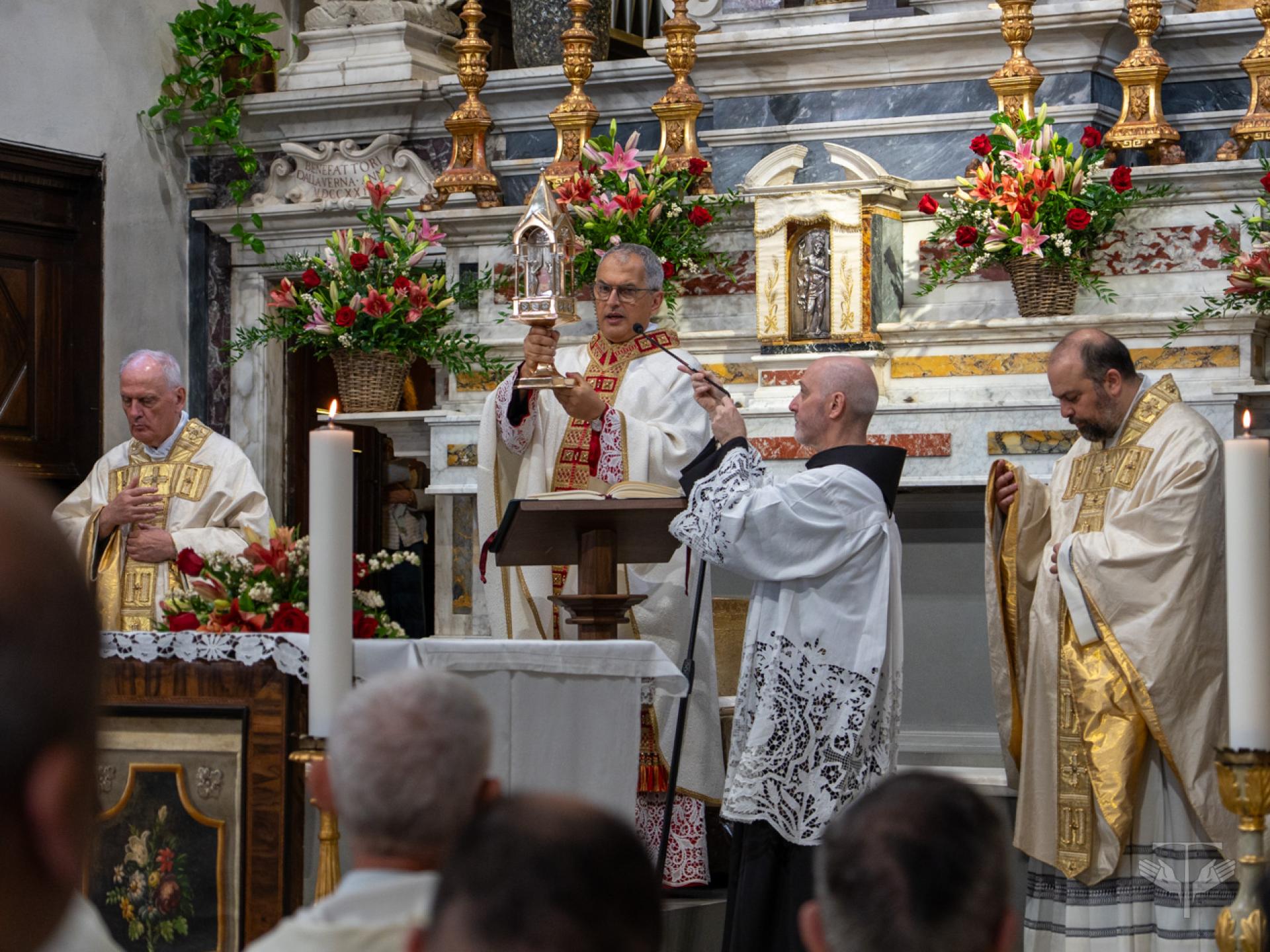
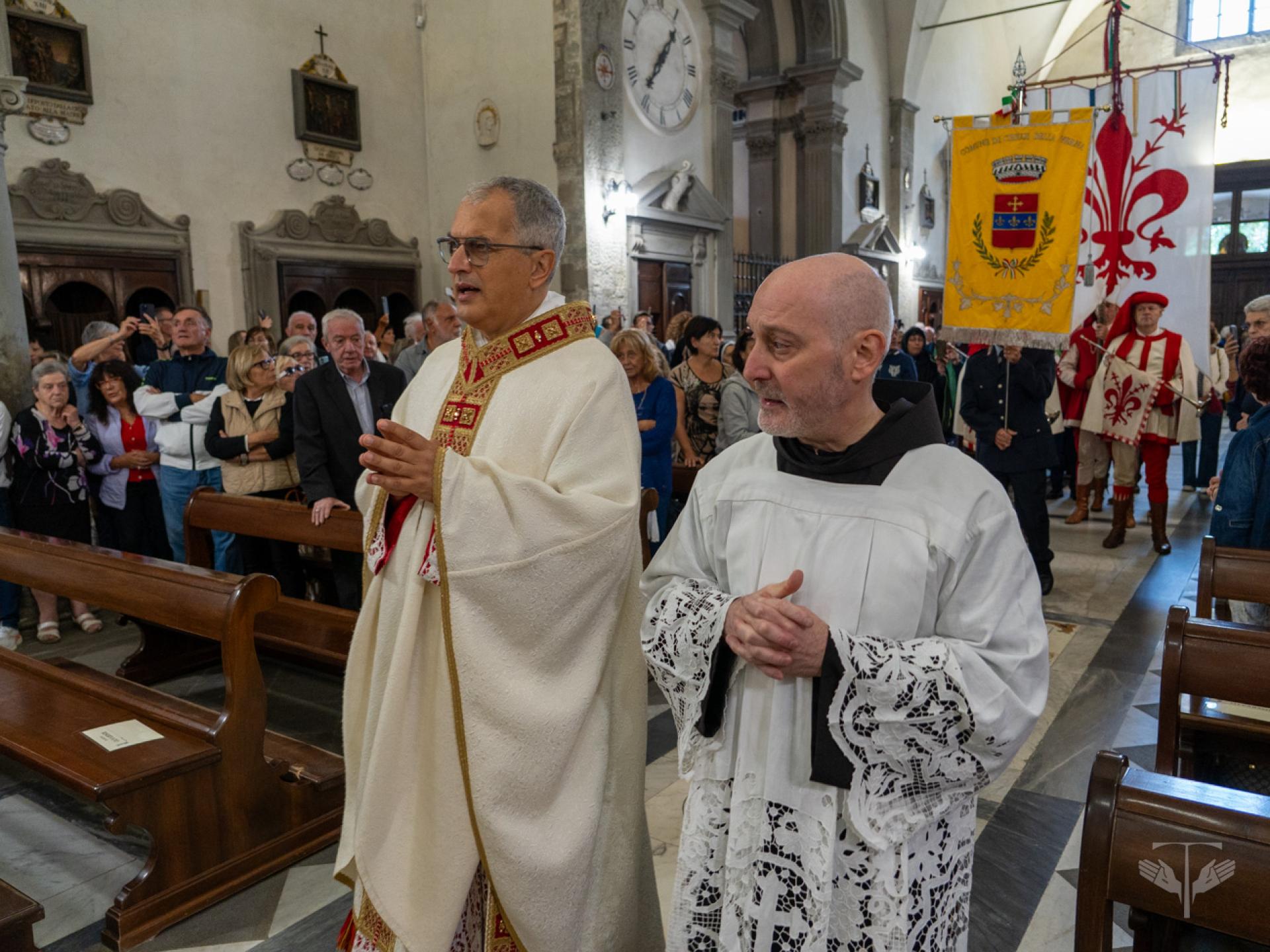
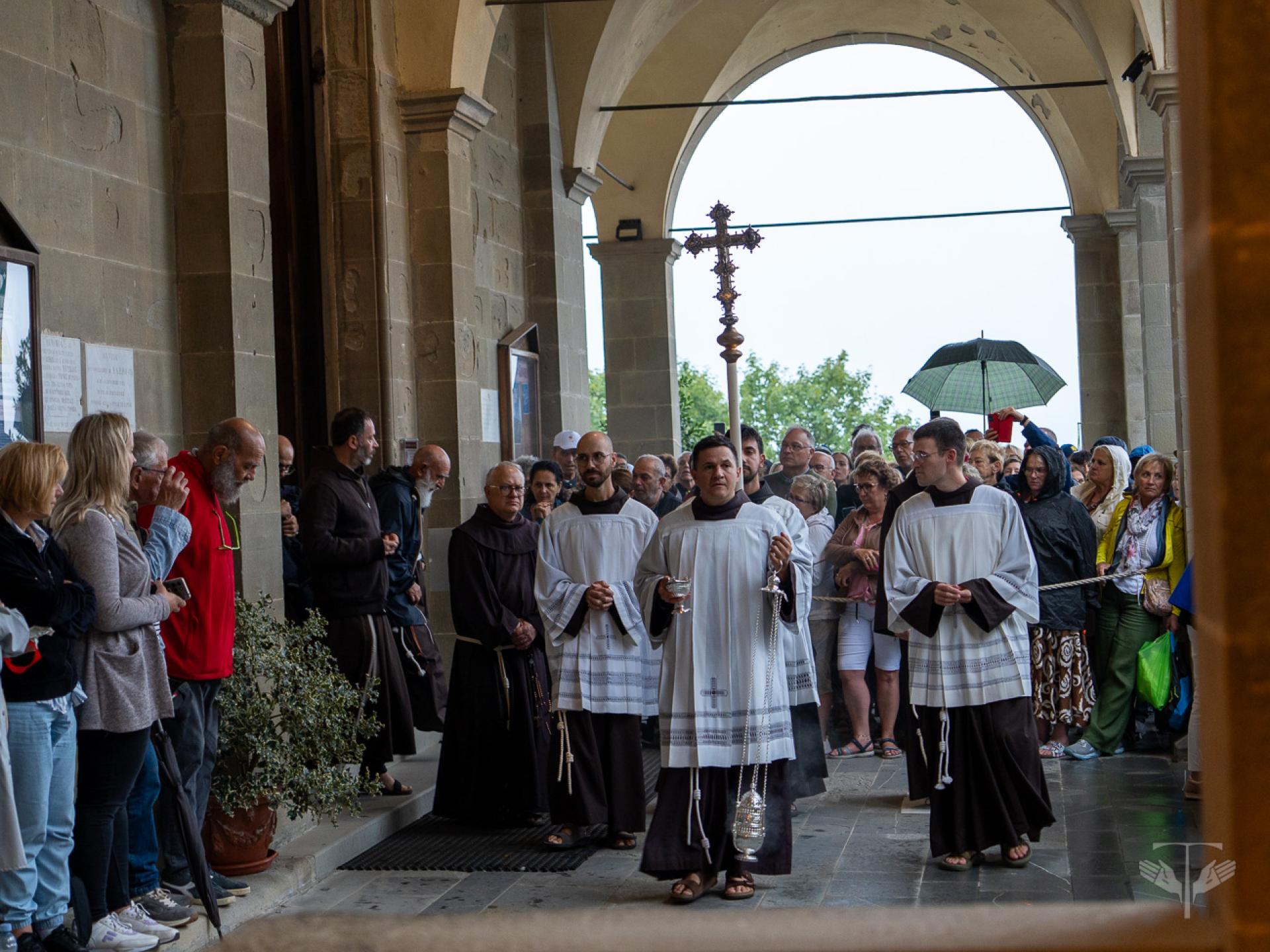
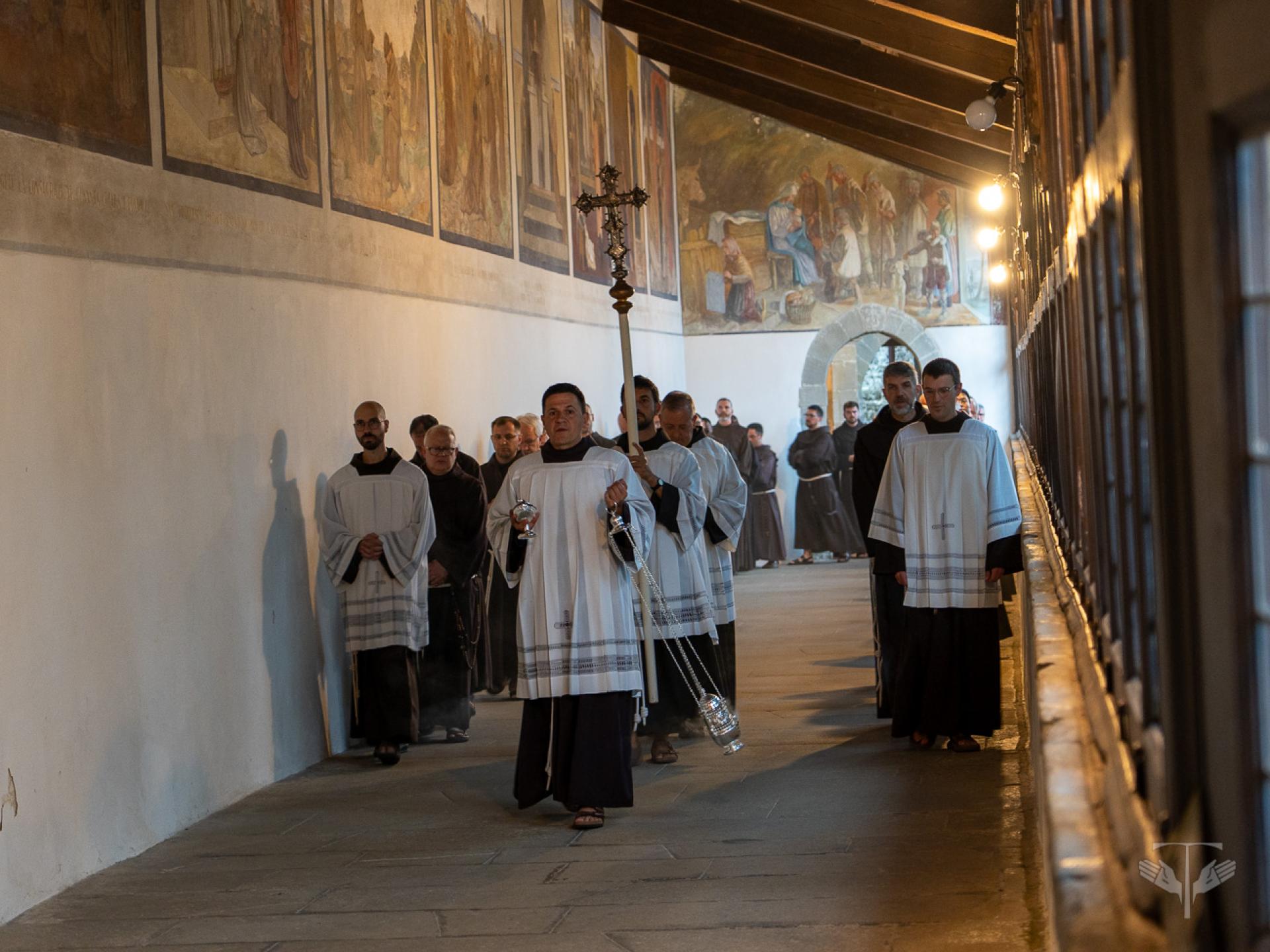
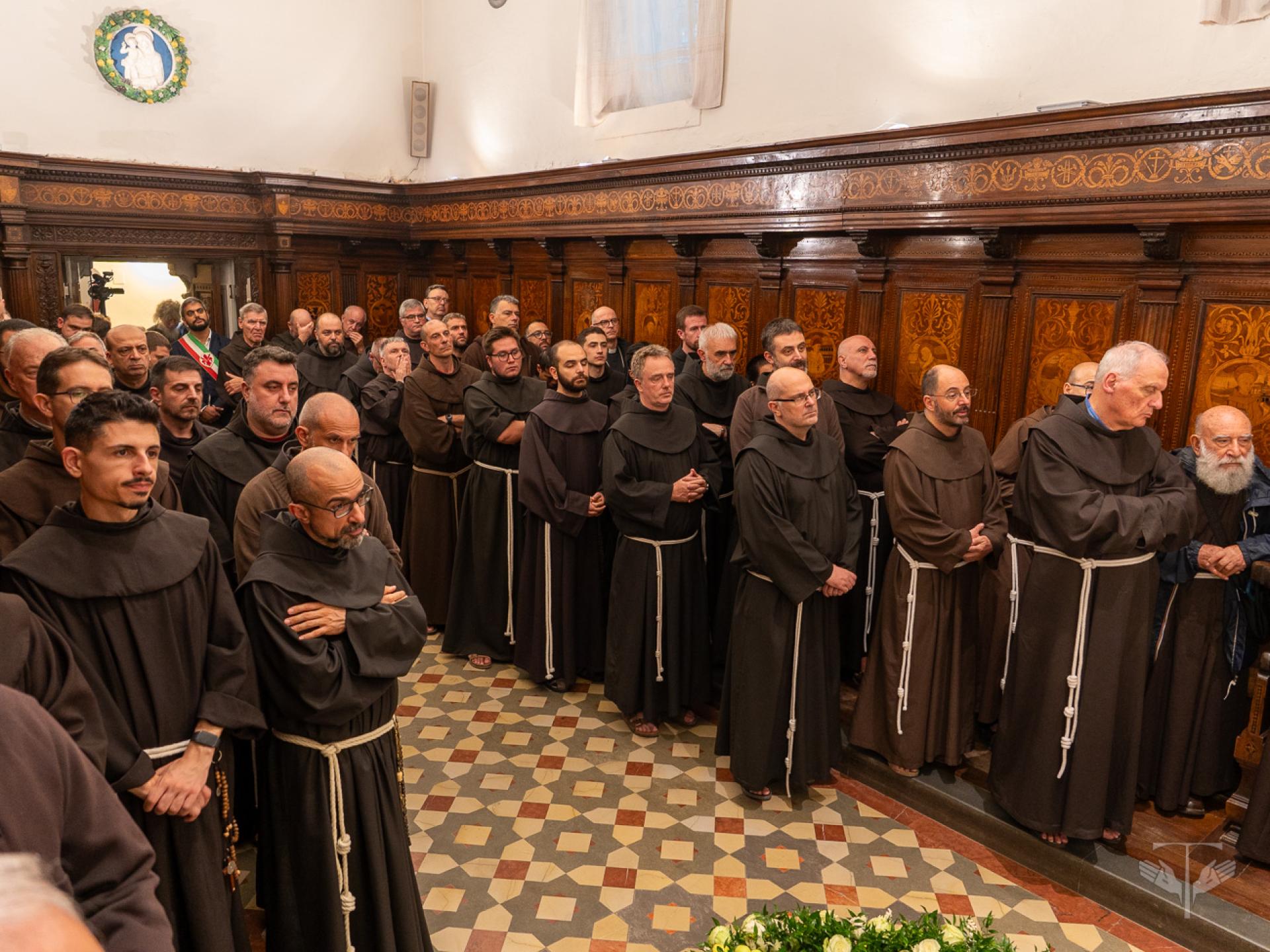
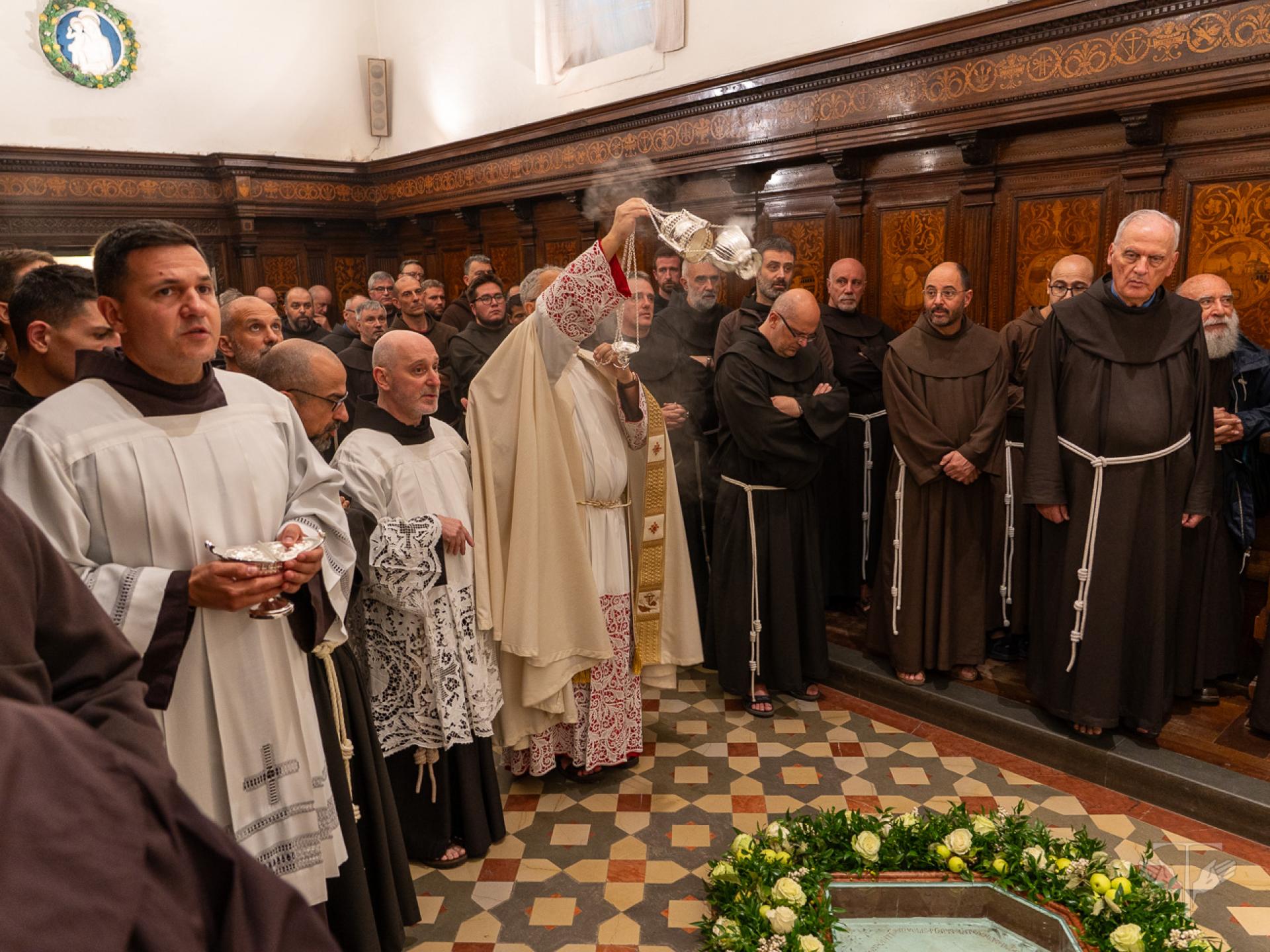
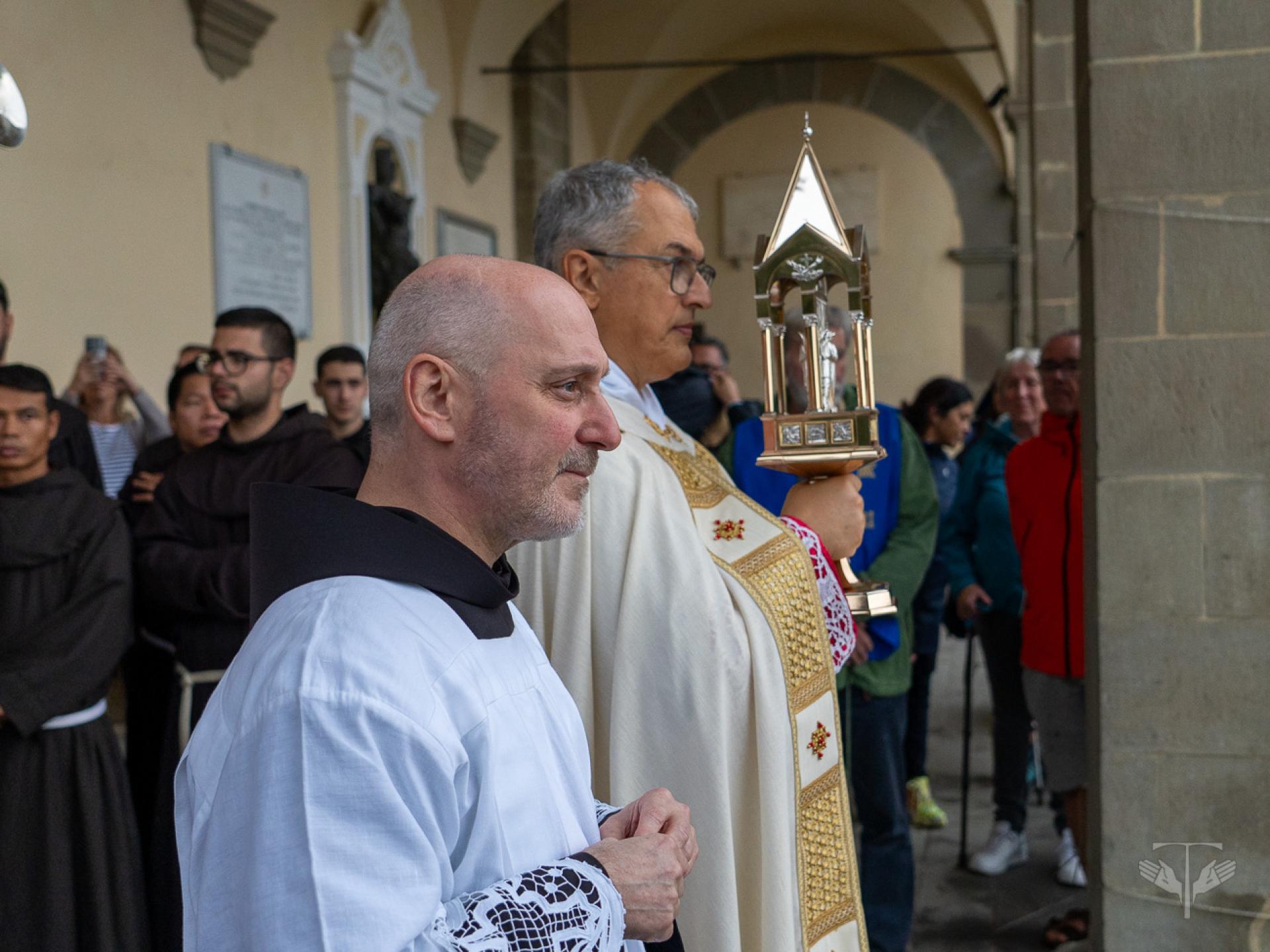
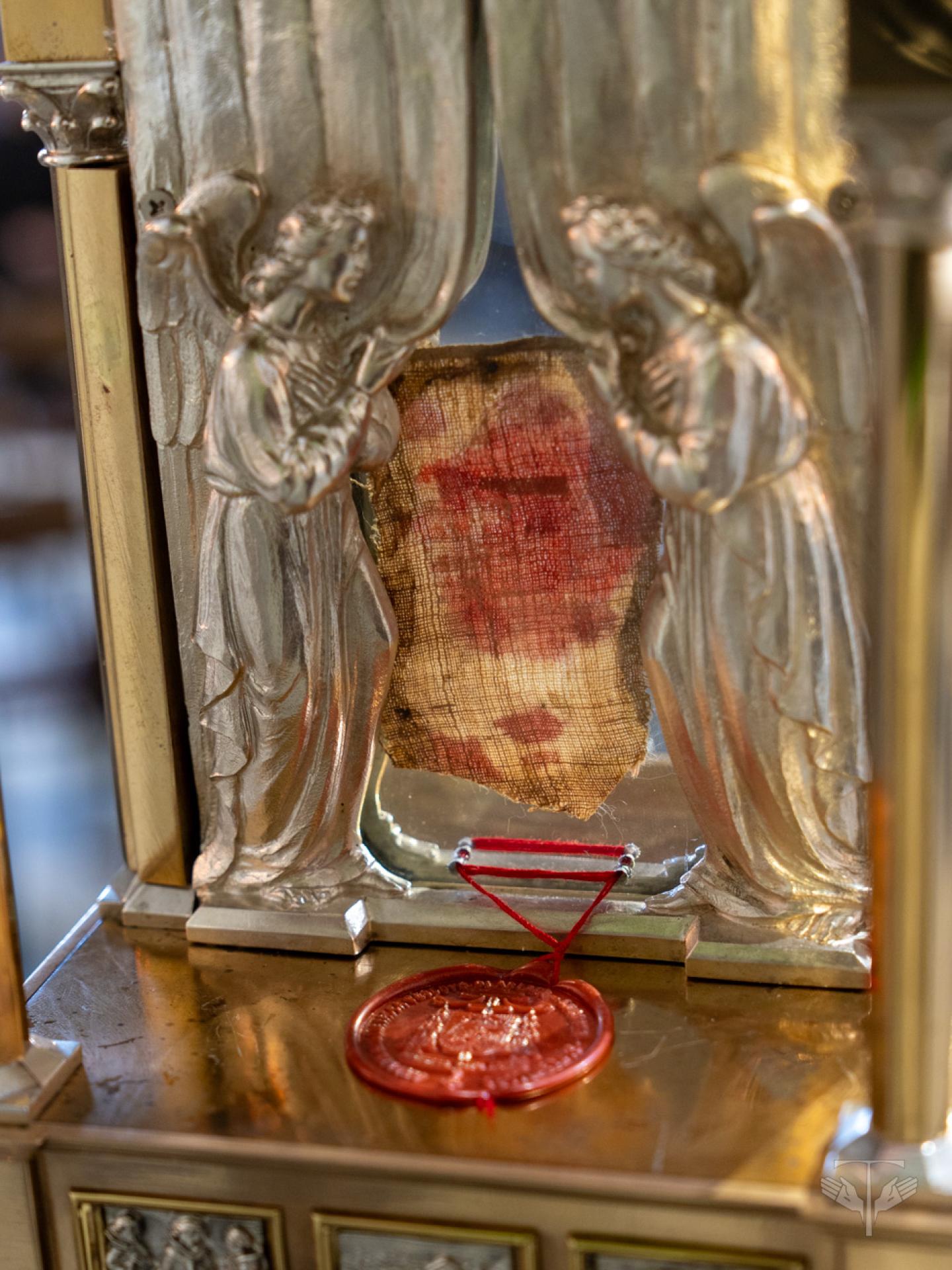
As every year, on the 16th and 17th September in La Verna, the Franciscan fraternity, young pilgrims and hundreds of faithful celebrated the Solemnity of the Impression of the Stigmata of St. Francis. A moment very heartfelt and intensely lived by those present, in the Franciscan jubilee year that commemorates the 800th anniversary of the Transit of St. Francis.
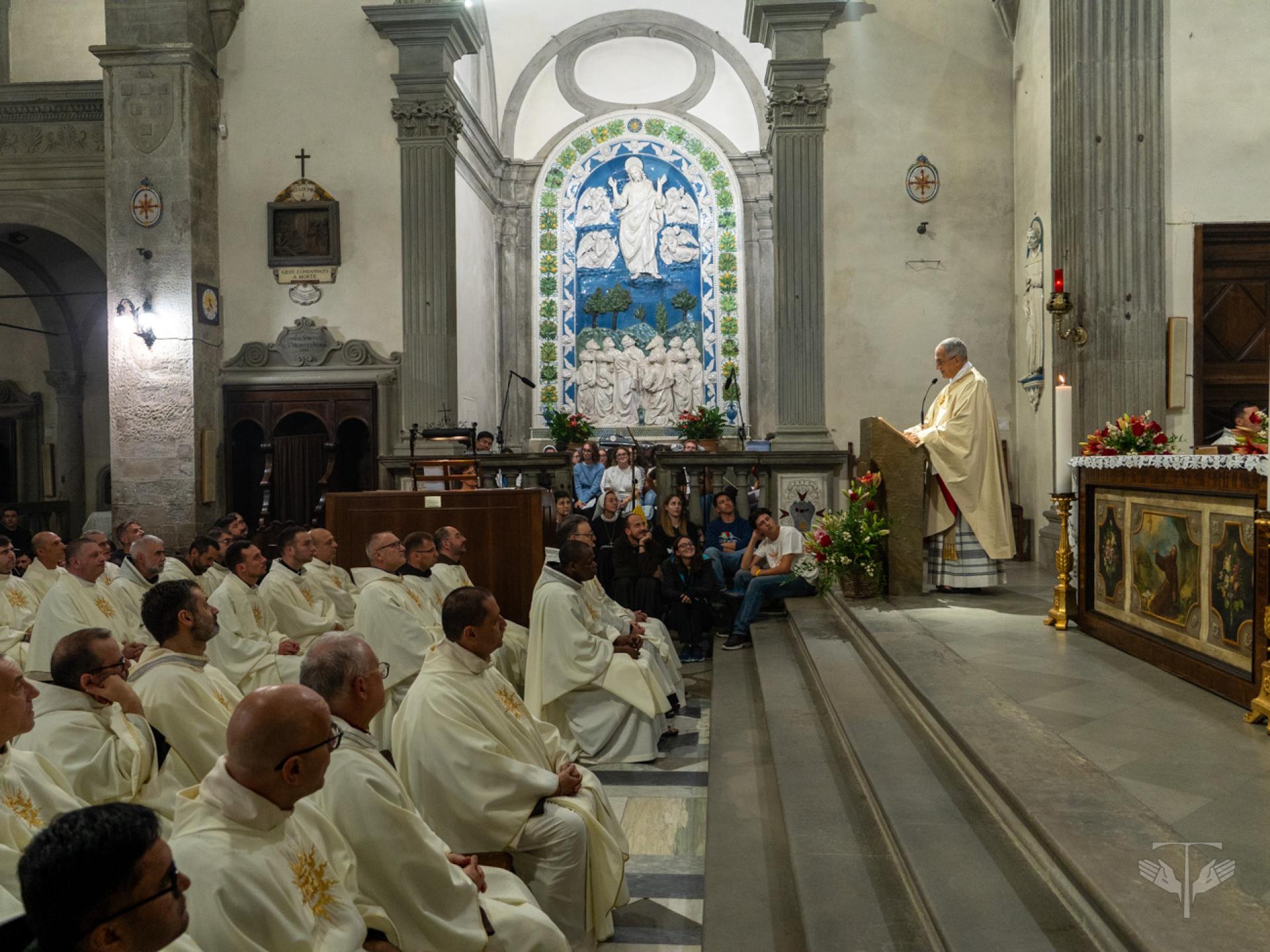
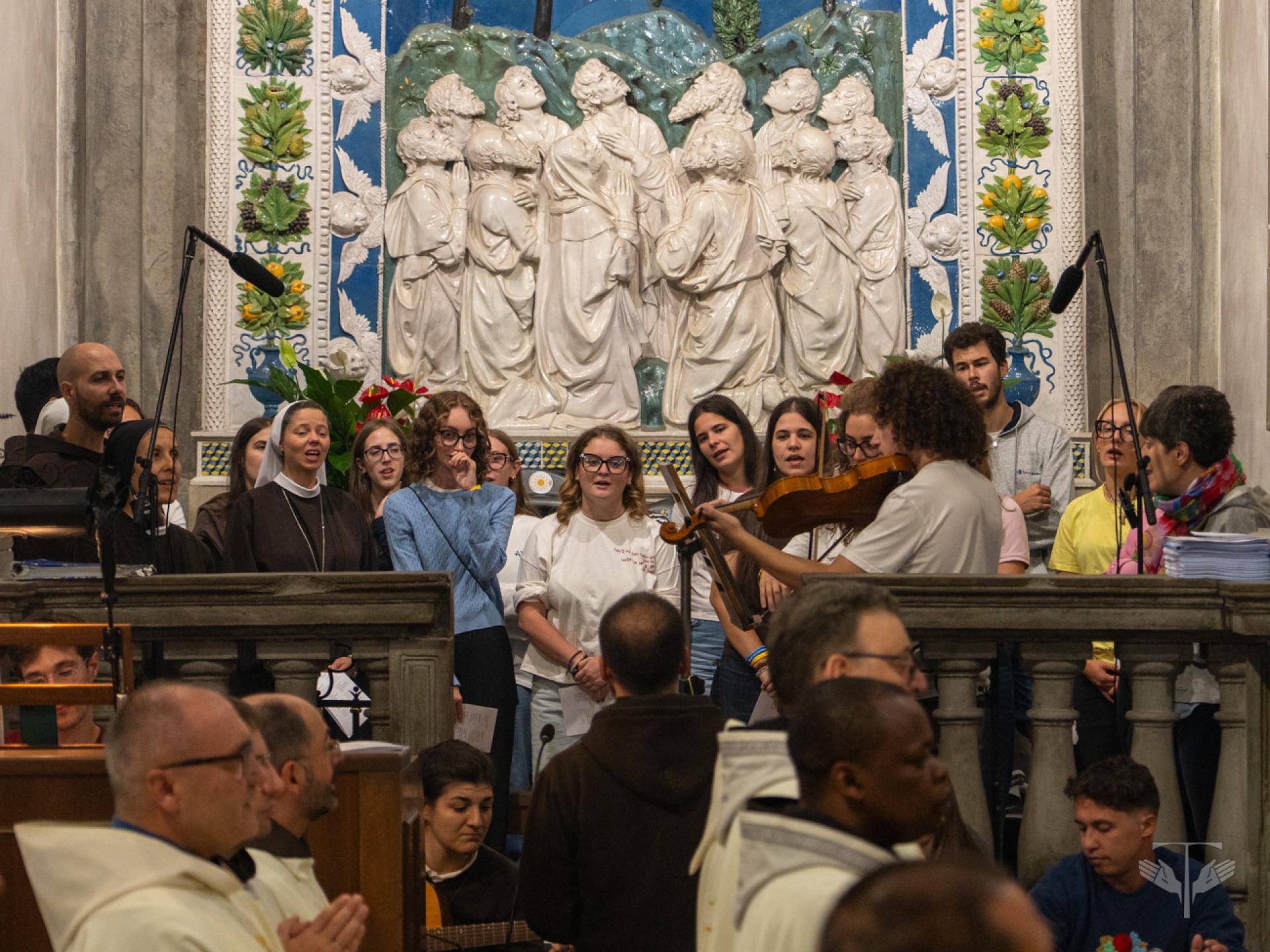
During the Eucharistic celebration at the Vigil of the 16th September, Br. Massimo Fusarelli, Minister General of the OFM, addressed the many young participants of the night pilgrimage organized by the Friars of the Province of St. Francis Stigmatized of Tuscany: they started from the parish of Chiusi della Verna, walked praying and singing in the night, to reach the Shrine and celebrate the Holy Eucharist.
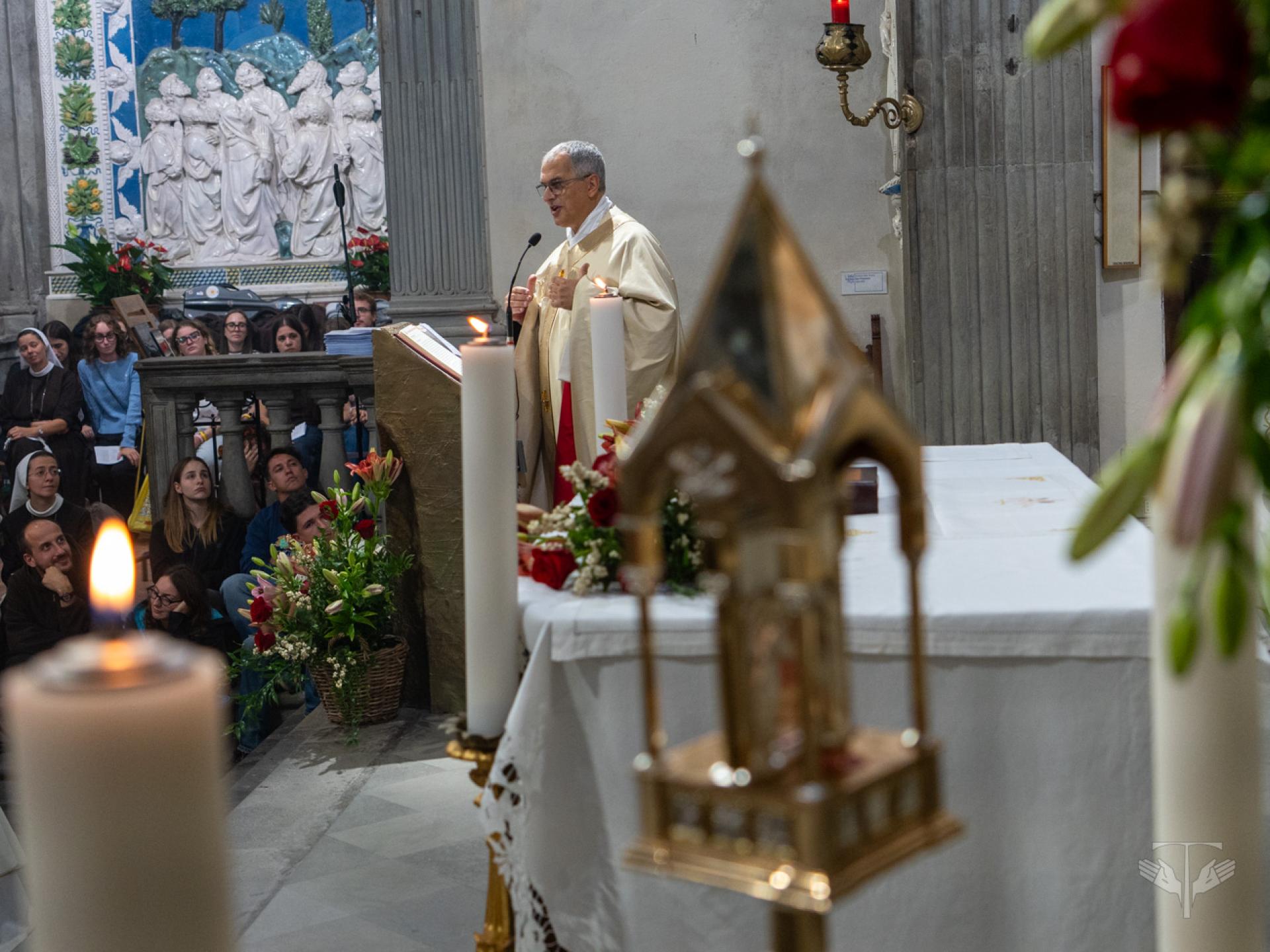
Addressing the young people, Br. Massimo recalled the image of the journey, which requires leaving something behind and lightening one's burdens. Like Abraham, who left without knowing where he was going, and like St Francis, who arrived at La Verna after having progressively left what he possessed, they too were invited to put themselves in God's hands: "Do not be afraid to leave what weighs you down. Do not be afraid to look at Christ. Do not be afraid to give yourselves to Him: those who give themselves to Him do not lose their life, they receive it new".
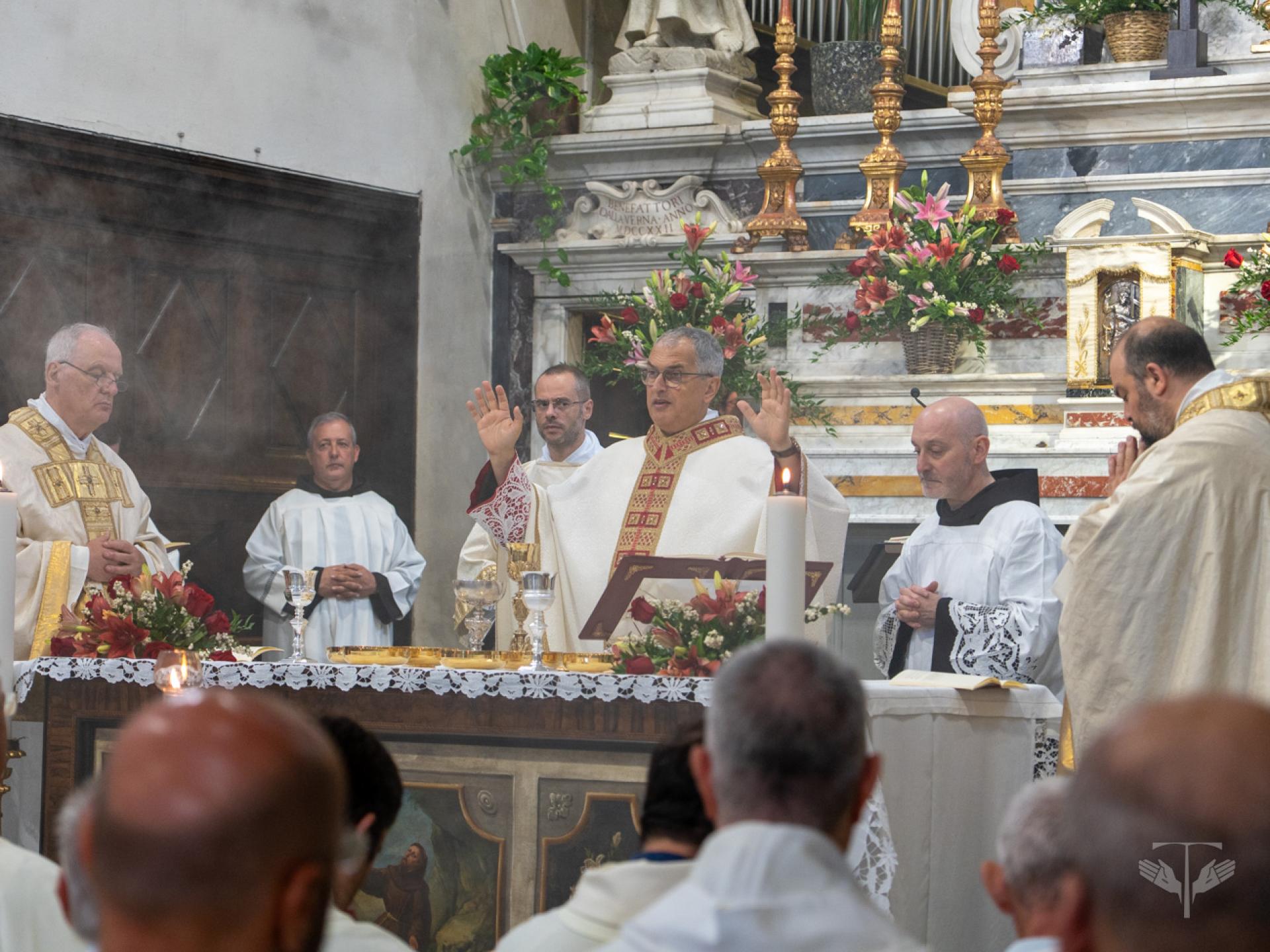
At a time when too often, unfortunately, love is confused with possession, the Minister General wanted once again to emphasize the courageous choice of the Poverello-the Poor Man of Assisi, who "kept nothing for himself" except the cross of the Lord: this was the central message of Br. Massimo in his homily on th e 17th September , in which he emphasised how St Francis never boasted of the Stigmata, but left a rule, indeed, the Rule, to all his followers: living "without anything of one's own" is not a norm about goods, but "the form of a life".
St Francis, the Minister General recalled, had arrived at this freedom little by little: he had returned his father's wealth, left the government of the Order and recognized that the fraternity was not his. Even the Stigmata, received at La Verna, were not something for him to withhold or boast of: in the Testament, where he mentions lepers, priests, brothers and the Church, he does not mention them. "The man who holds nothing back does not even withhold grace. He does not even hold back his wounds," said Br. Massimo.
Hence also the link between La Verna and the Transitus: St Francis descended from the mountain and continued his journey to the Portiuncula, where on the 3rd October, 1226 he would also deliver the last thing he had left, his own body. "The seal received in the flesh and the flesh returned to the earth are the same movement," explained the Minister General, recalling that the call is not to withhold what gives security, importance or recognition, but to give back: "He who gives back does not lose. He receives."
A final reference also to St. Clare, the one she asked not to possess, who chose freedom from everything to be free to follow the poor Christ. The invitation addressed to those present was to "open their hands": "Brothers and sisters, celebrating the Stigmata today means asking for this grace: to open our hands. Not to keep for ourselves the goods, the merits, the wounds. To receive everything with gratitude. To give everything back with love. So that the One who gives himself whole to us can welcome us whole in himself", concluded the Minister General.
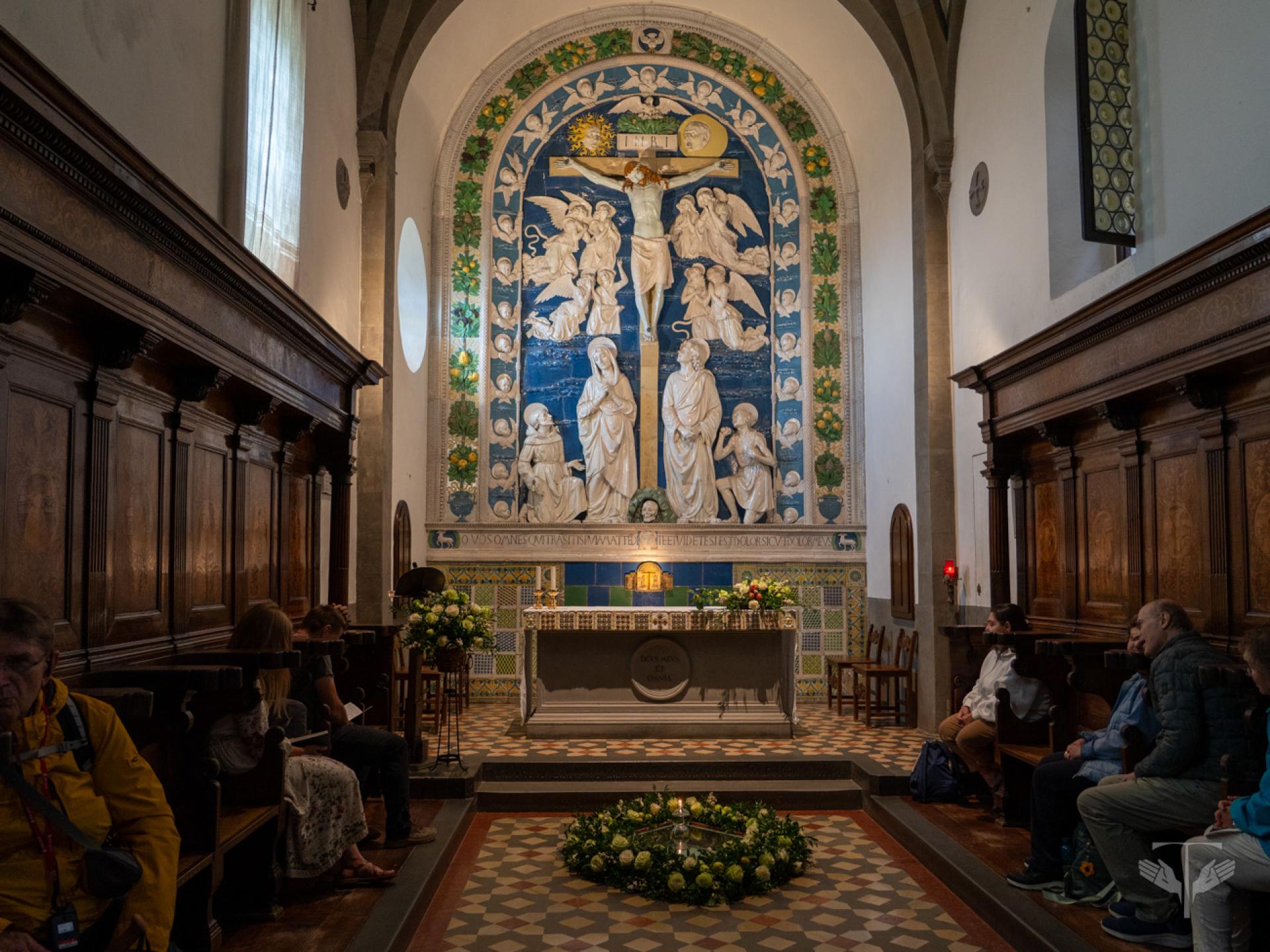
These exhortations were enclosed in a prayer addressed to St. Francis that the friars and faithful pronounced during the traditional procession to the Chapel of the Stigmata, kept in the Sanctuary.
Read the homily of the 16th September 2026: Italiano - English - Español
Read the homily of the 17th September 2026: Italiano - English - Español
Download the prayer to St. Francis: Italiano - English - Español
See the photos on Flickr