Inauguration of the new Academic Year of the PUA
Pontifical University Antonianum
09 October 2023On Monday, the 9th October, the new Academic Year of the Pontifical University Antonianum was inaugurated in Rome.
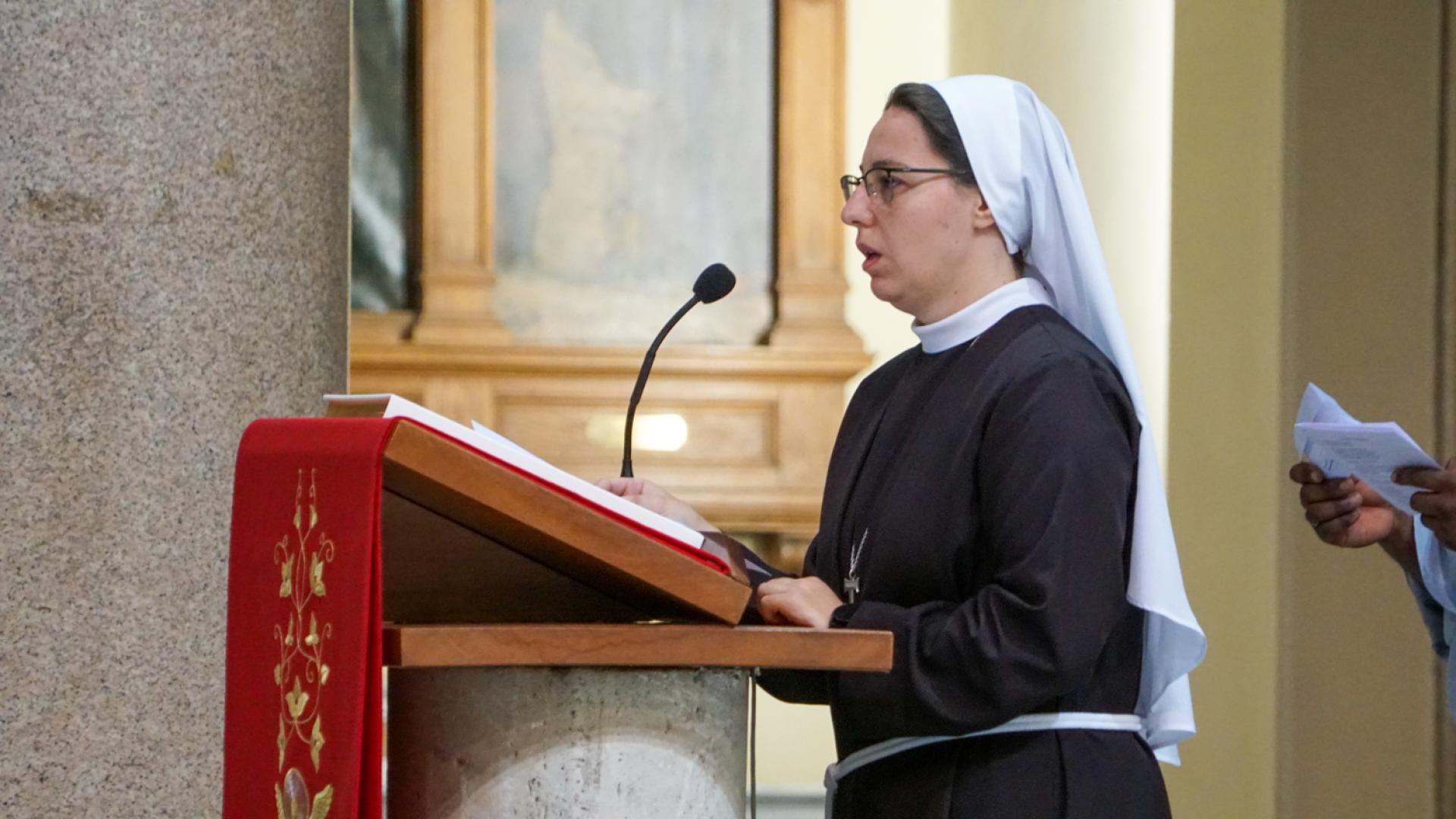
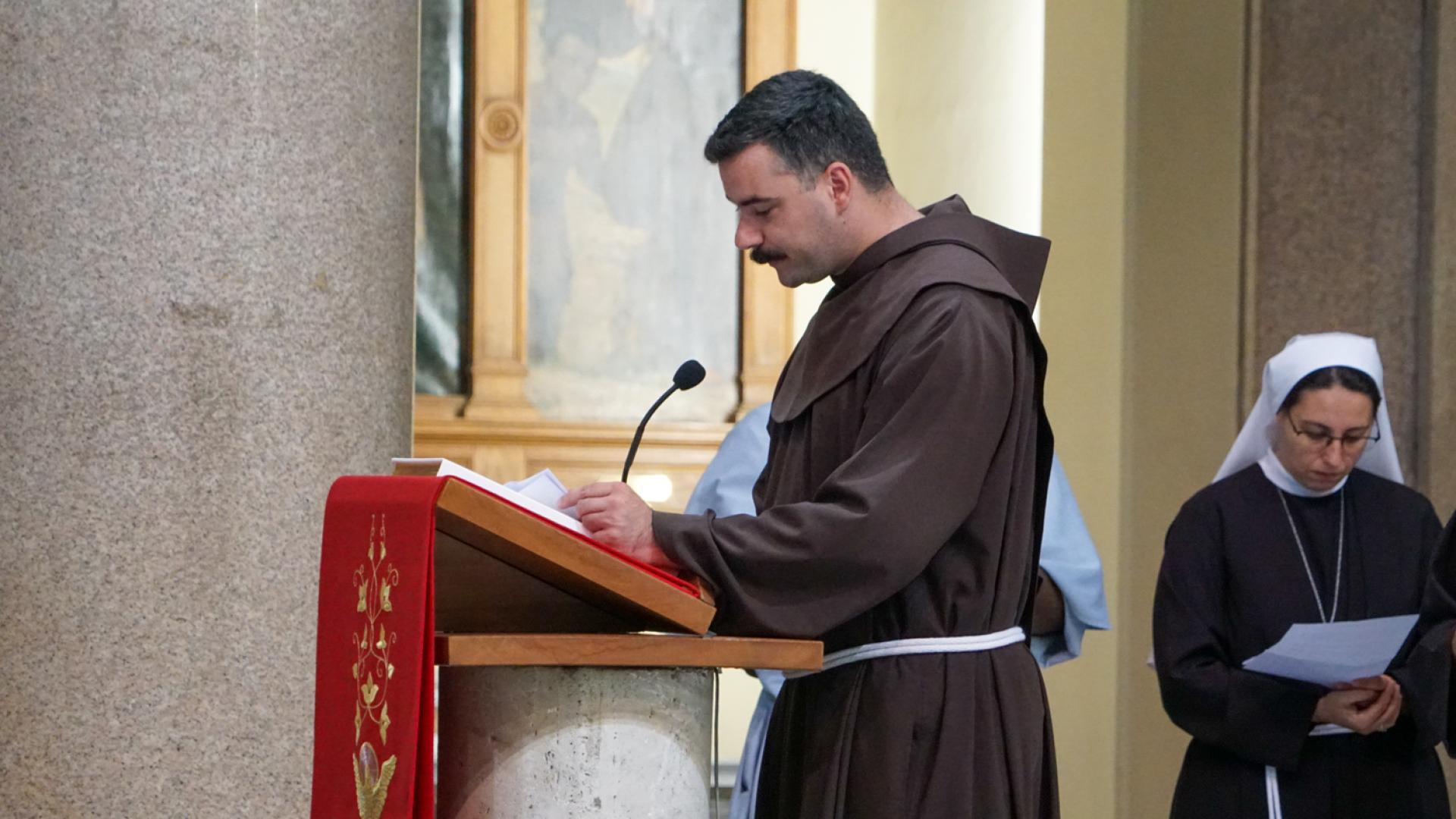
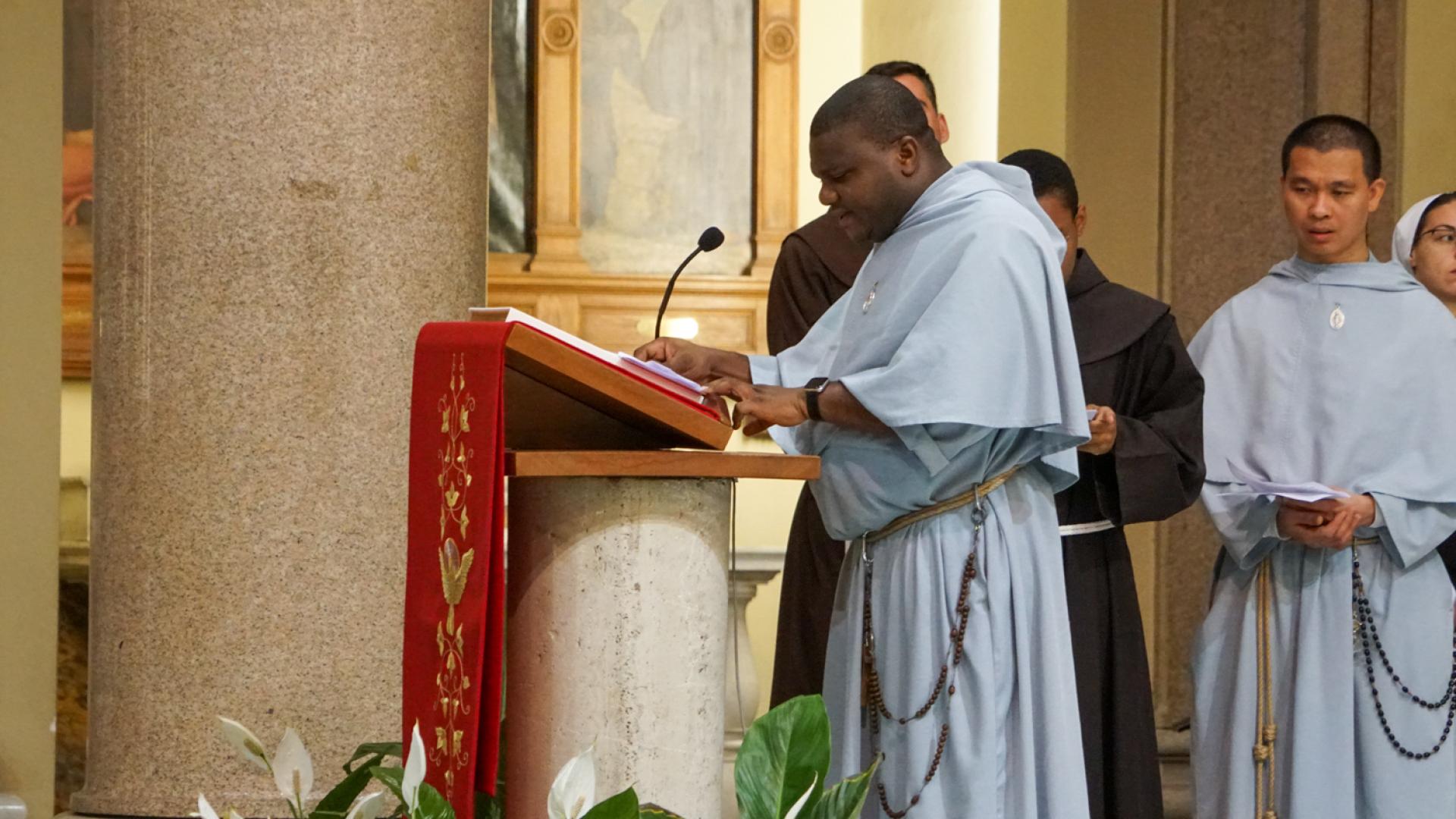
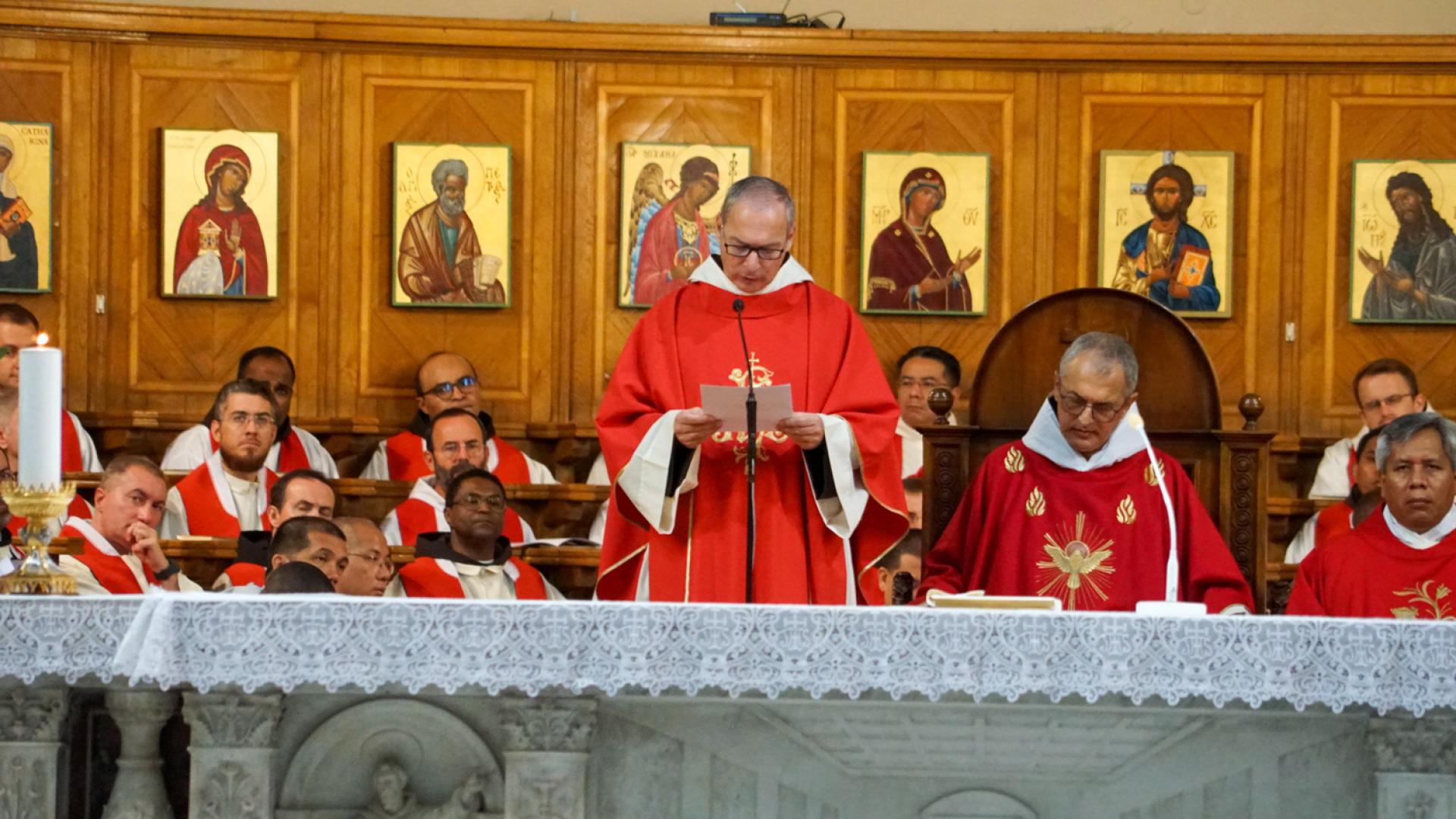
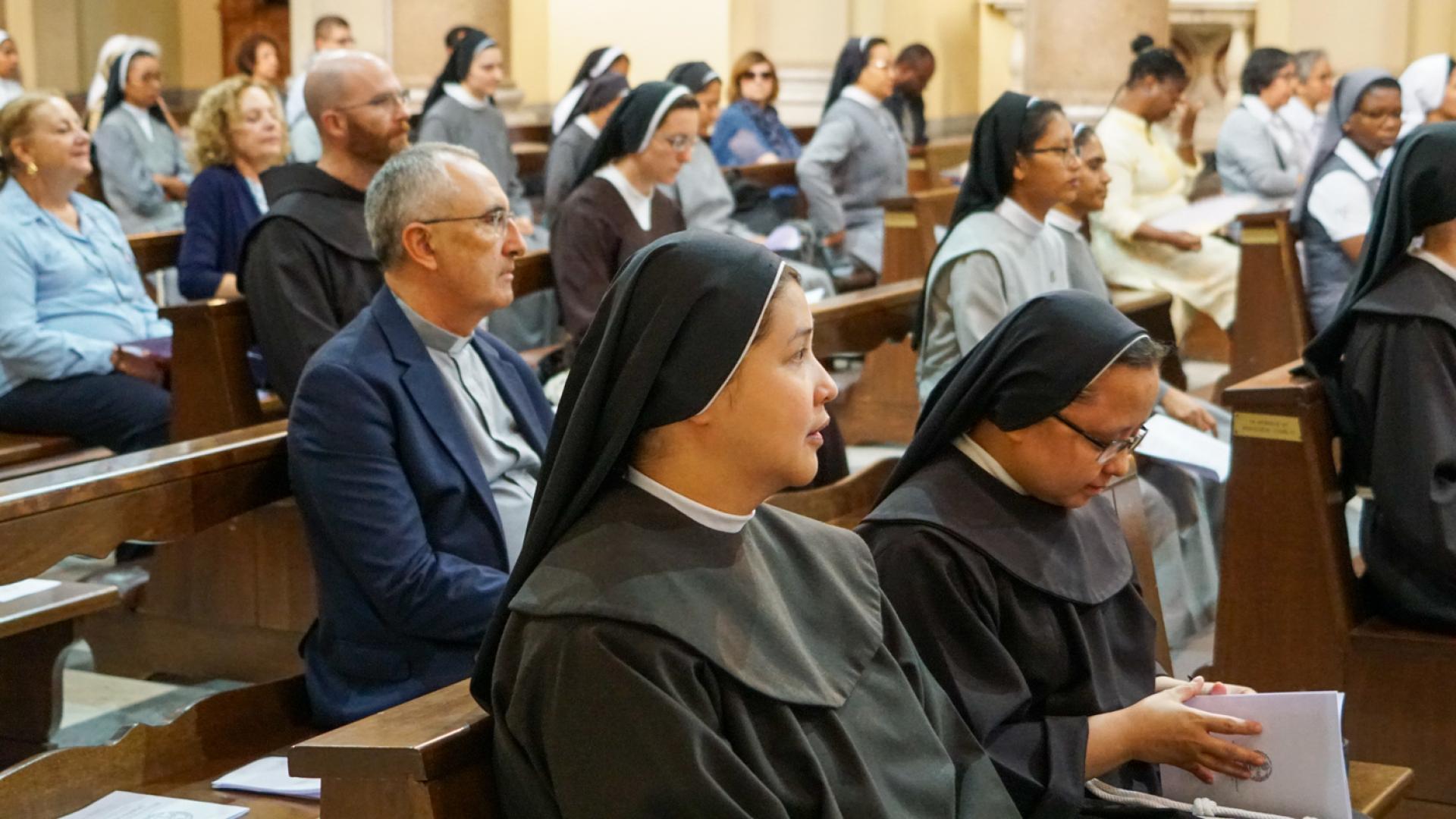
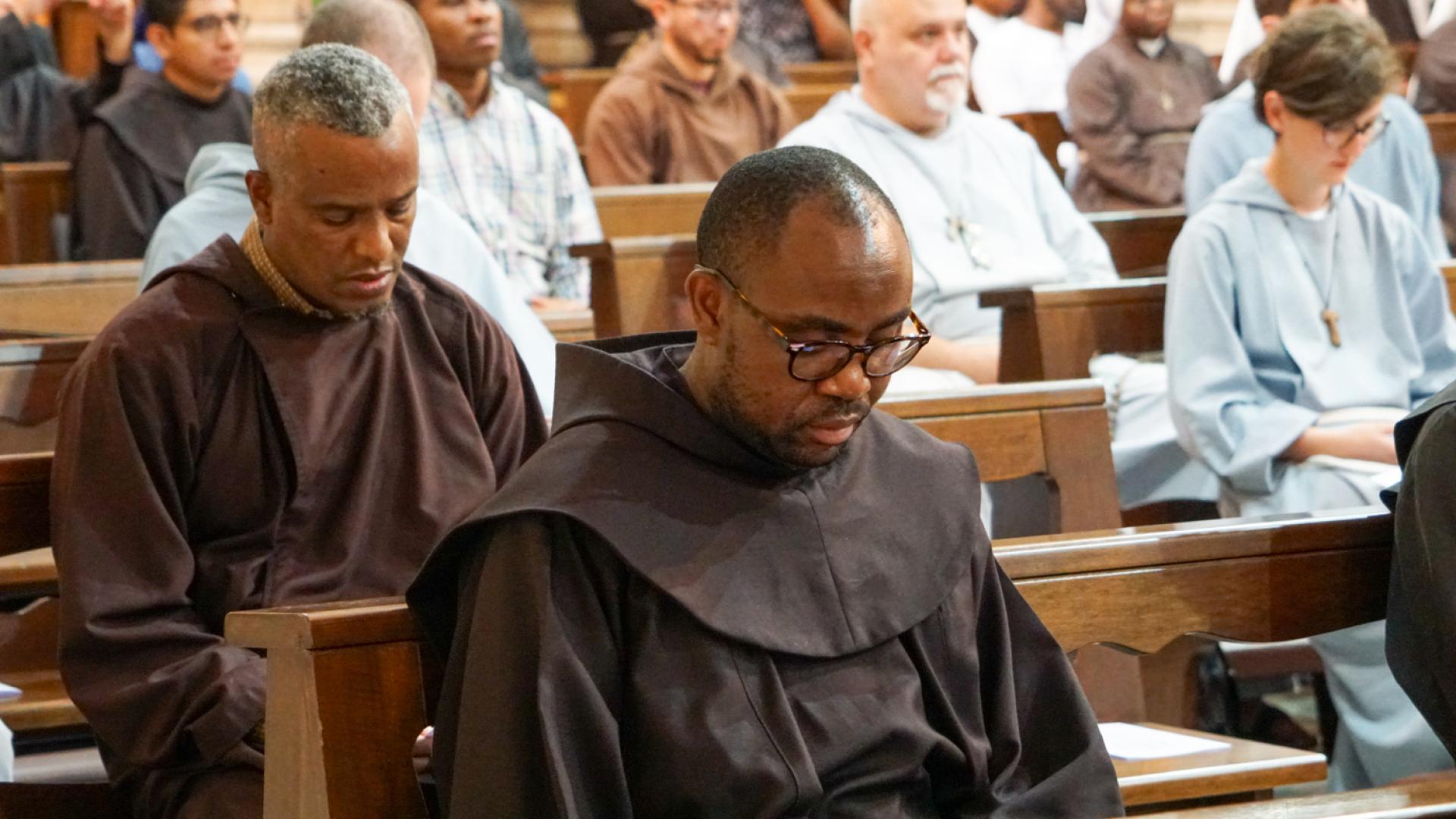
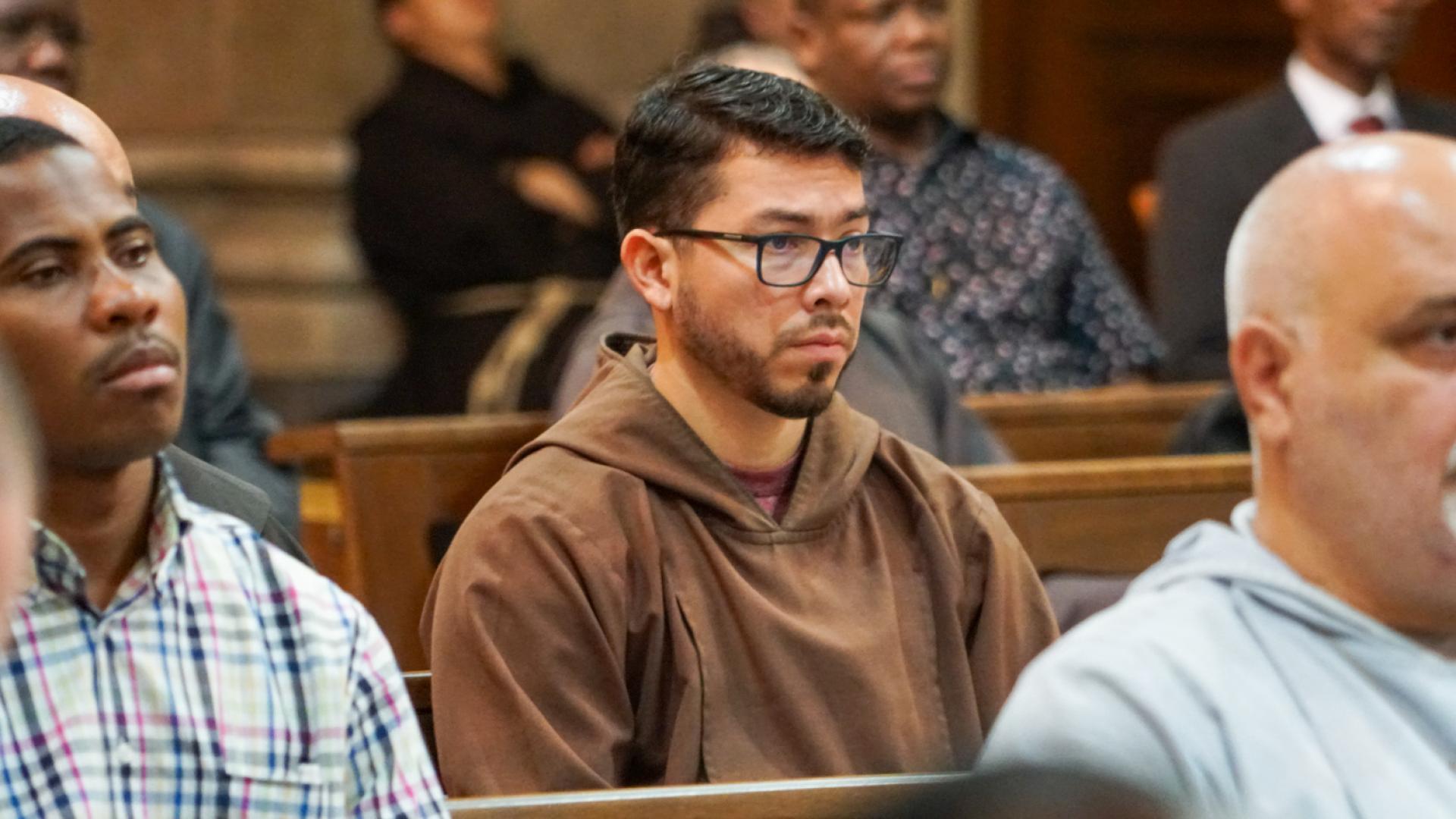
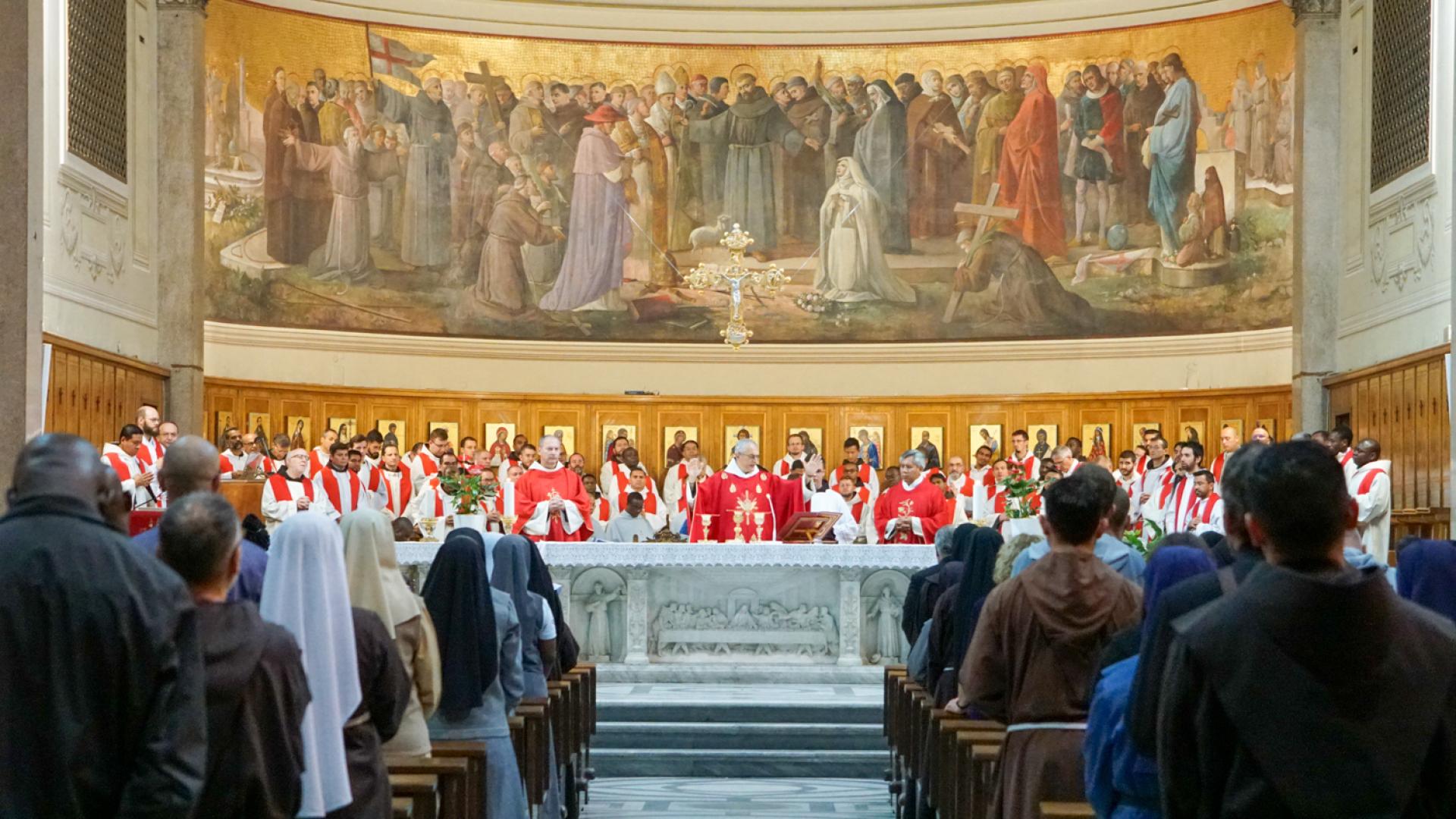
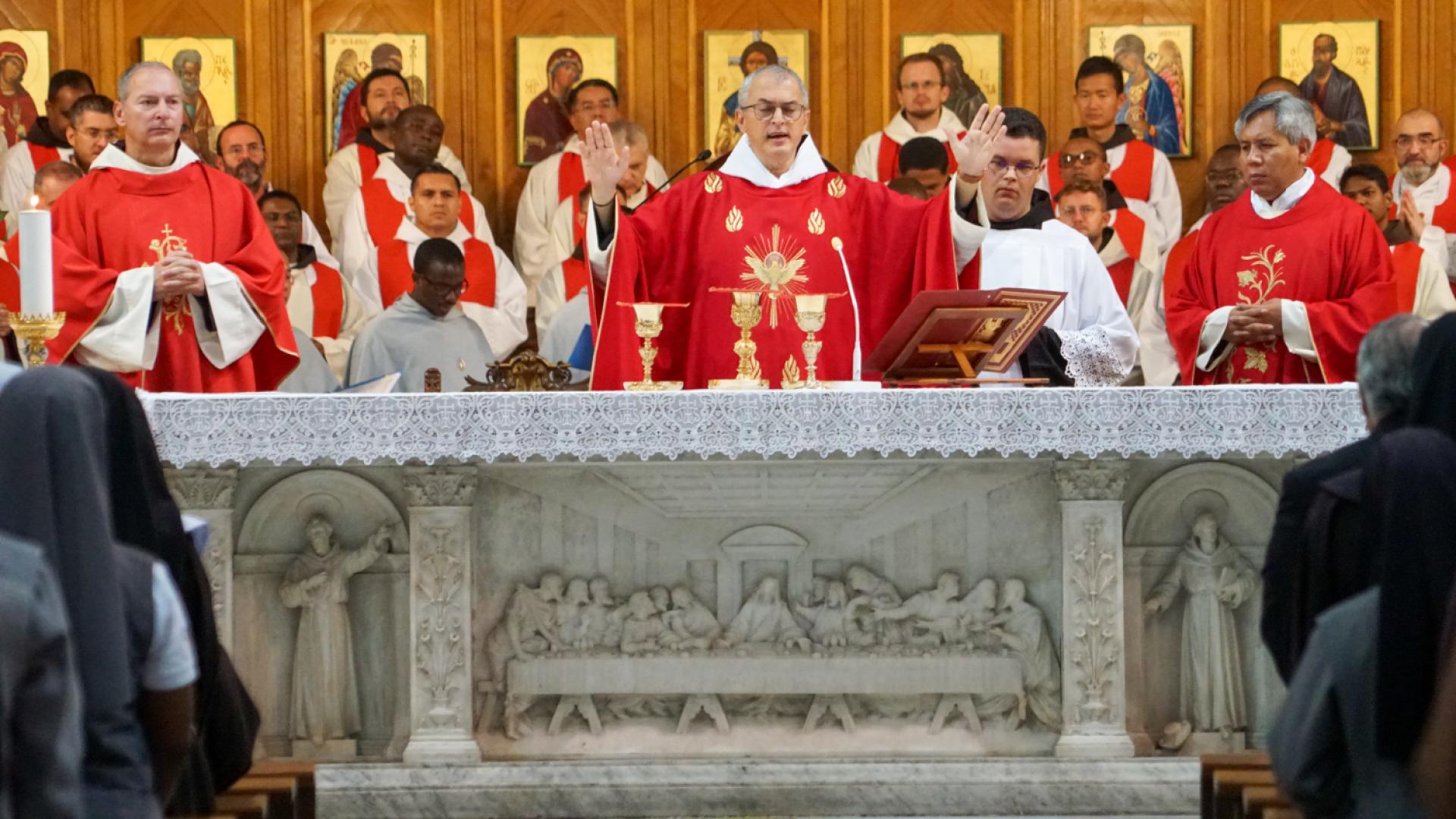
The Eucharistic celebration that opened the day was held at the Basilica of St. Anthony Lateran and was presided over by br. Massimo Fusarelli, Minister General and Grand Chancellor of the University. In his homily, br. Massimo, starting from the liturgy of the day (Monday of the XXVII Week in Ordinary Time), dwelt on the "distance" of Jonah who flees from the city to which God sends him on mission, and on the "closeness" of the Samaritan. "Studies are not only an empty space to prepare intellectually for the mission," said br.Massimo, "but they are part of the evangelizing action of the People of God, because they allow us to learn to read the word of God and the signs of the times, to keep faith and life together, faith and history, without distances that would not account for the fundamental Christian criterion that of the Incarnation."
Study as a tool to prepare for the mission, according to br. Massimo, again following the example of the Seraphic Father: "The proximity of the Samaritan helps us to deepen the meaning of study as an integral experience that helps us to know ourselves better and thus to serve others. St. Francis feels bound to serve to all and to administer to all the fragrant words of our Lord Jesus Christ, who is the Word, and the words of the Holy Spirit, which are spirit and life" (2LFed, FF 180). Animated by his spirit, we can continue in this mission, always listening to Saint Francis who, in the Rule of which we commemorate eight centuries this year, forcefully tells us: "I also admonish and exhort the brothers themselves that, in the preaching they do, their words be examined and chaste, for the benefit and edification of the people" (Rb IX, 3: FF 99)".
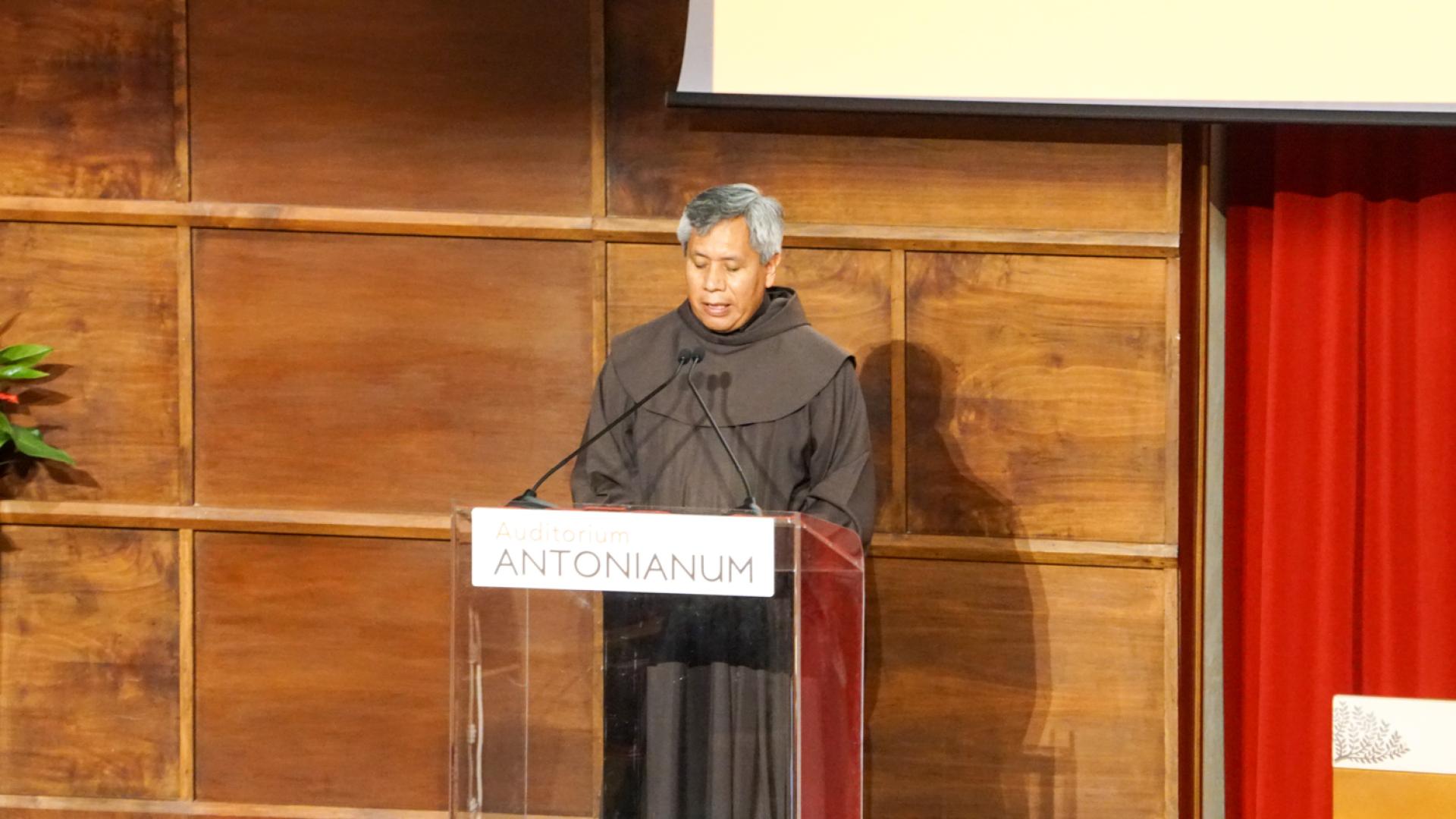
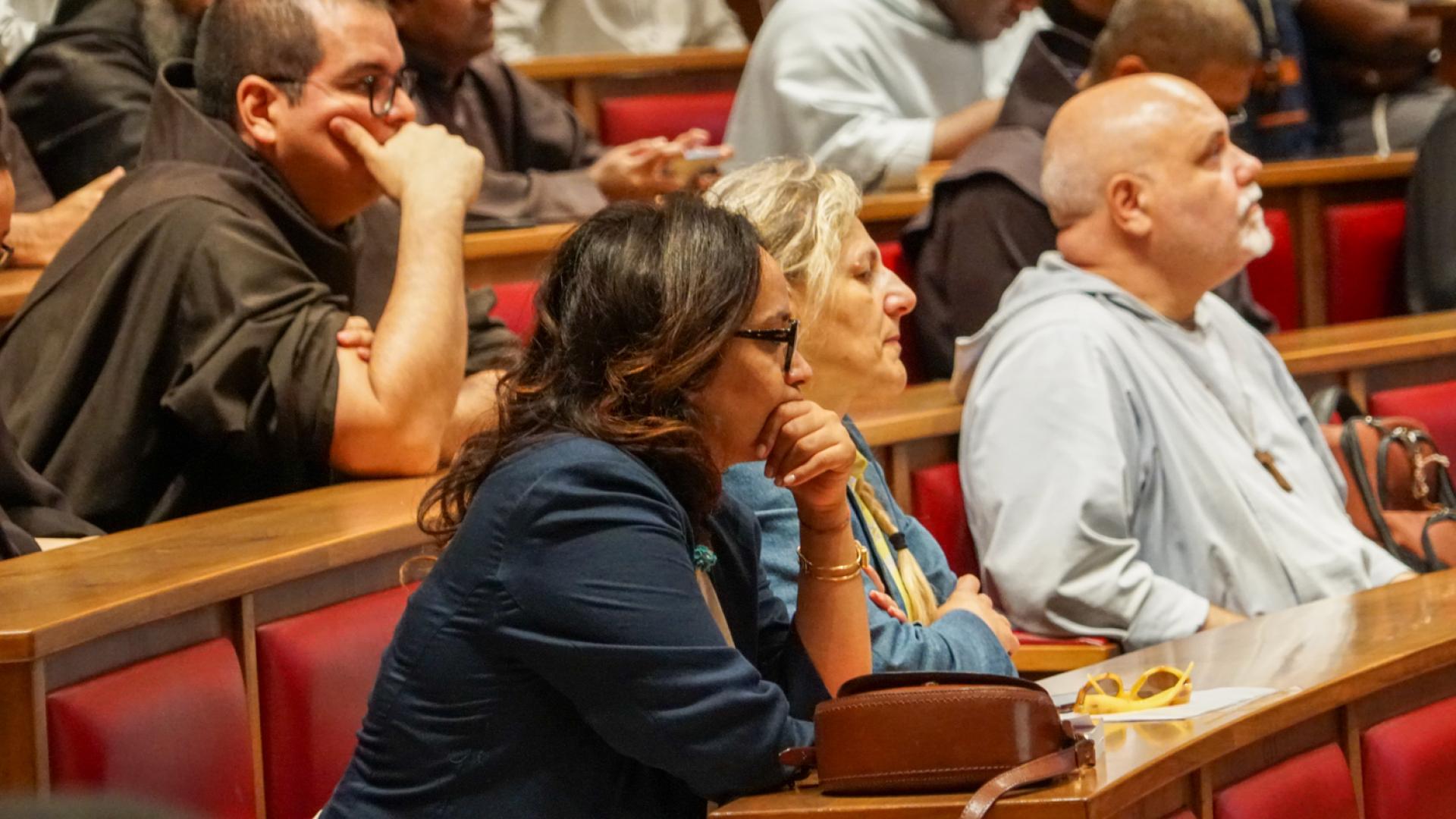
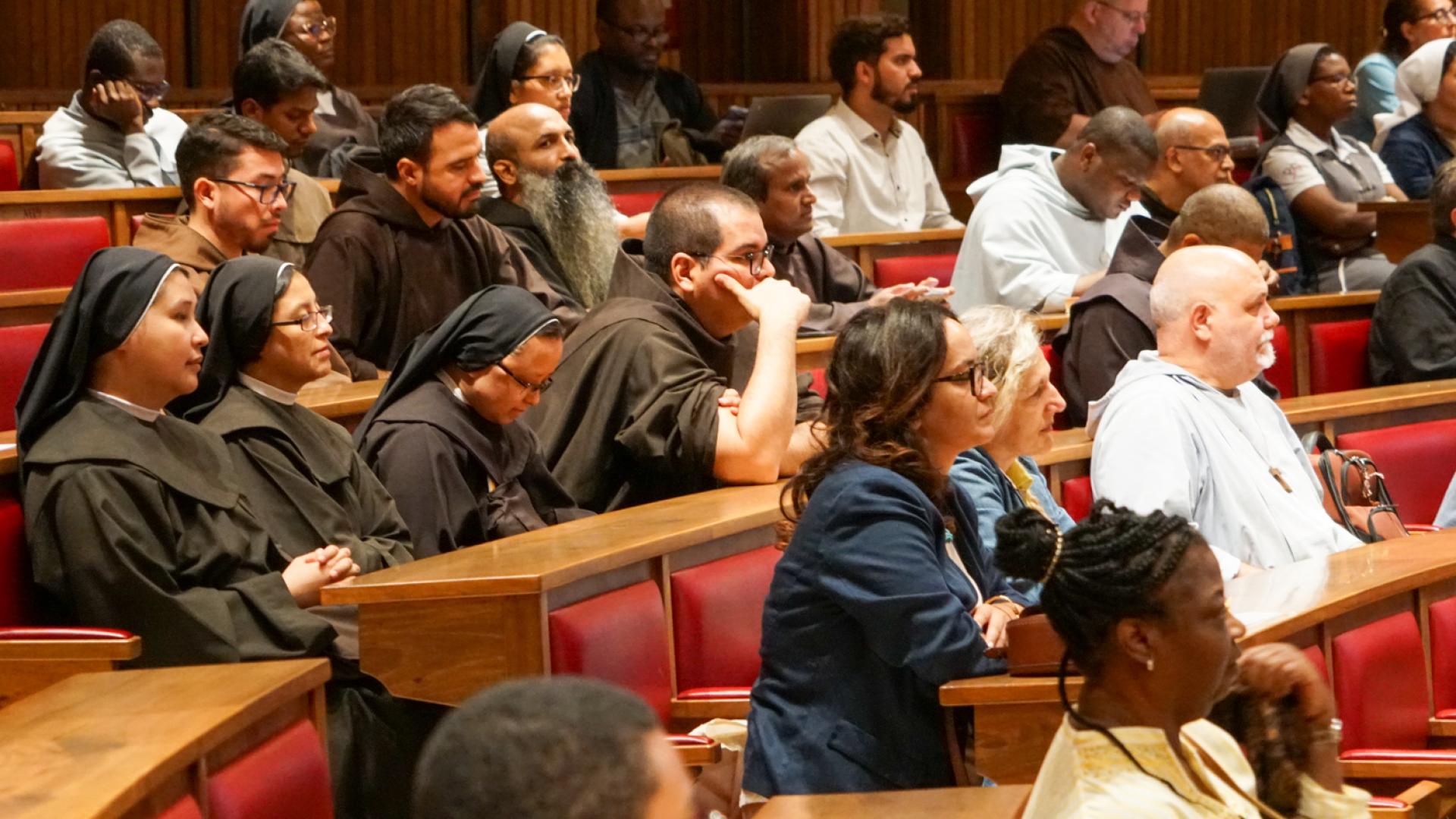
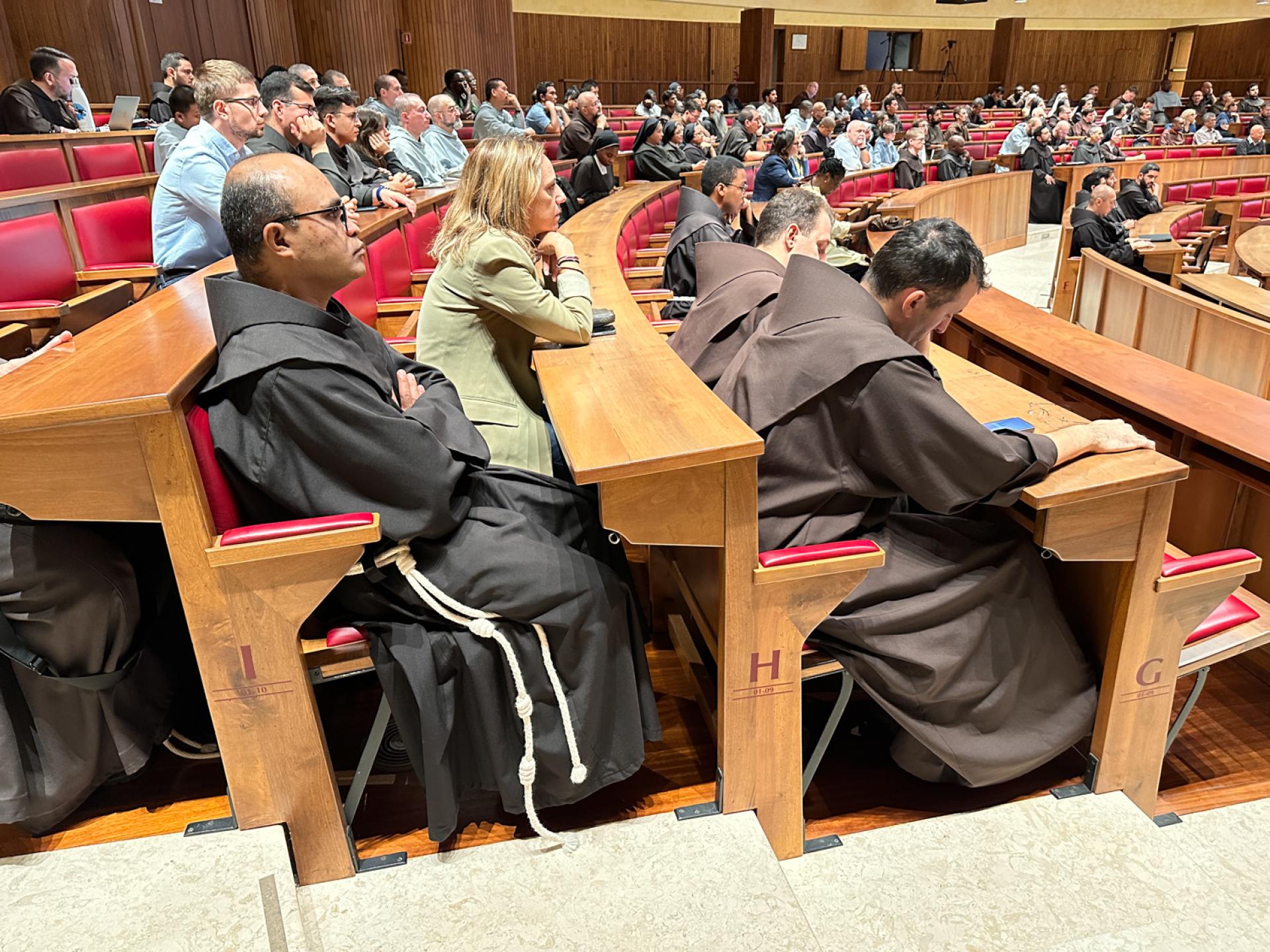
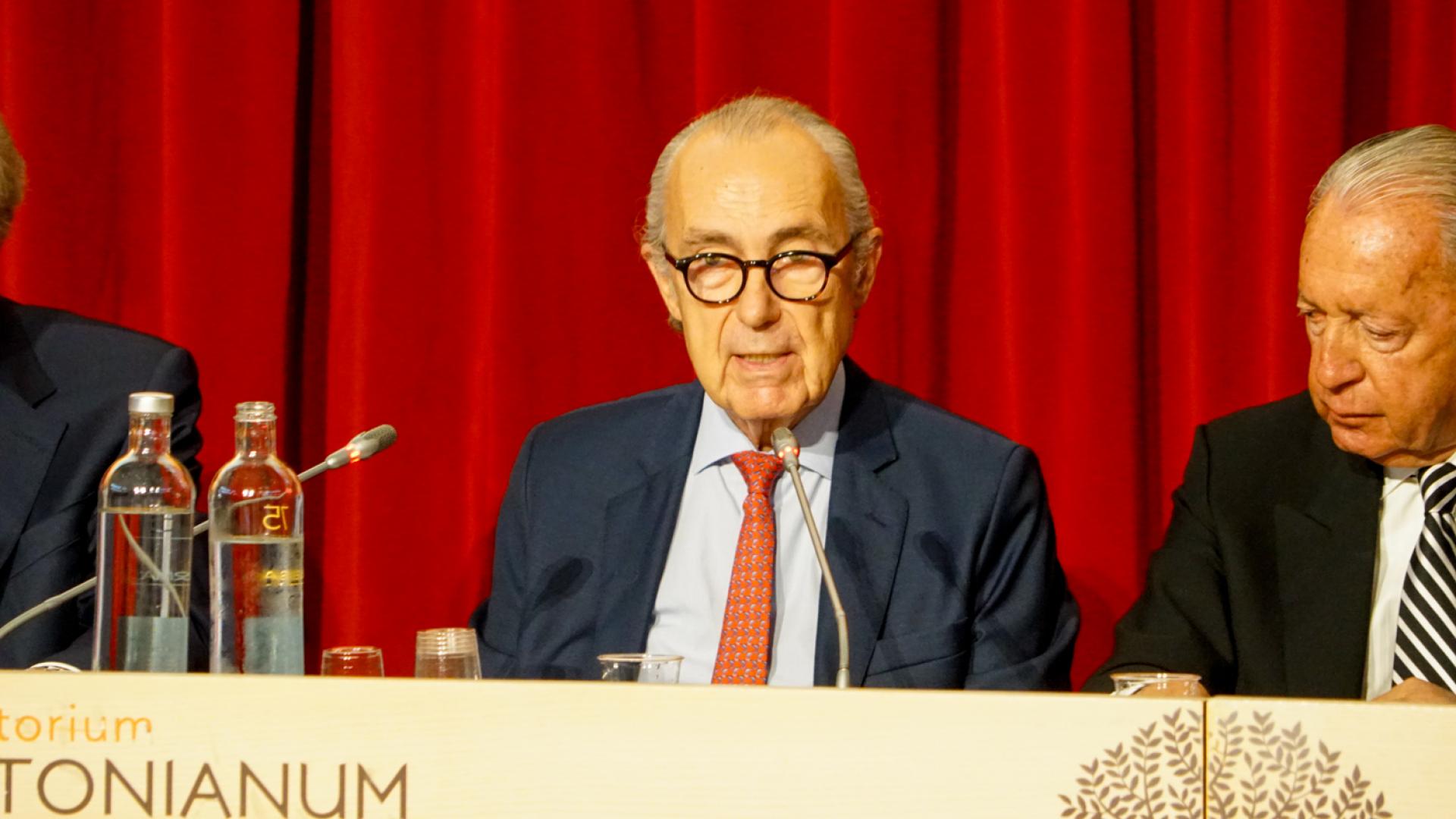
The day continued at the Antonianum Auditorium. Prof. Agustín Hernández Vidales, ‘Rector Magnificent’, began his greeting with a moment of reflection and prayer regarding the violence in the Holy Land, unfortunately the last of the many war scenarios present in the world to-day. An Academic Year that begins at the same time as the Synod of Bishops, the publication of Laudate Deum, the Eighth Centenary of the approval of the Rule and the Nativity Scene of Greccio. "This university is inspired by St. Francis, was founded in 1883 and is based on the Franciscan theological tradition begun by St. Anthony of Padua. It is with this spirituality that we want to live in time and in the world that Providence has given us," said br. Agustín, who then presented the report on the last Academic Year.
br. Massimo, Grand Chancellor of the PUA, also remembered the centenarians in his speech, this time speaking of the 800th Anniversary of the Impression of the Stigmata that we will celebrate in 2024. He then added: "The scientific research and studies of our university must start from the joy of the encounter with God, to make this joy present and transparent in the ‘light and darkness’ of our present days." The Minister General of the OFM also recalled other Anniversaries: the 30th Anniversary of the confirmation of the ab immemorial cult of St. John Duns Scotus(In Sanctity of Life and Knowledge of Faith), the 100th Anniversary of the foundation of the Studium Biblicum Franciscanum in Jerusalem, initiated by the Custody of the Holy Land as a teaching and research centre, and finally, in 2024, the 750th Anniversary of the death of the Seraphic Doctor St. Bonaventure of Bagnoregio.
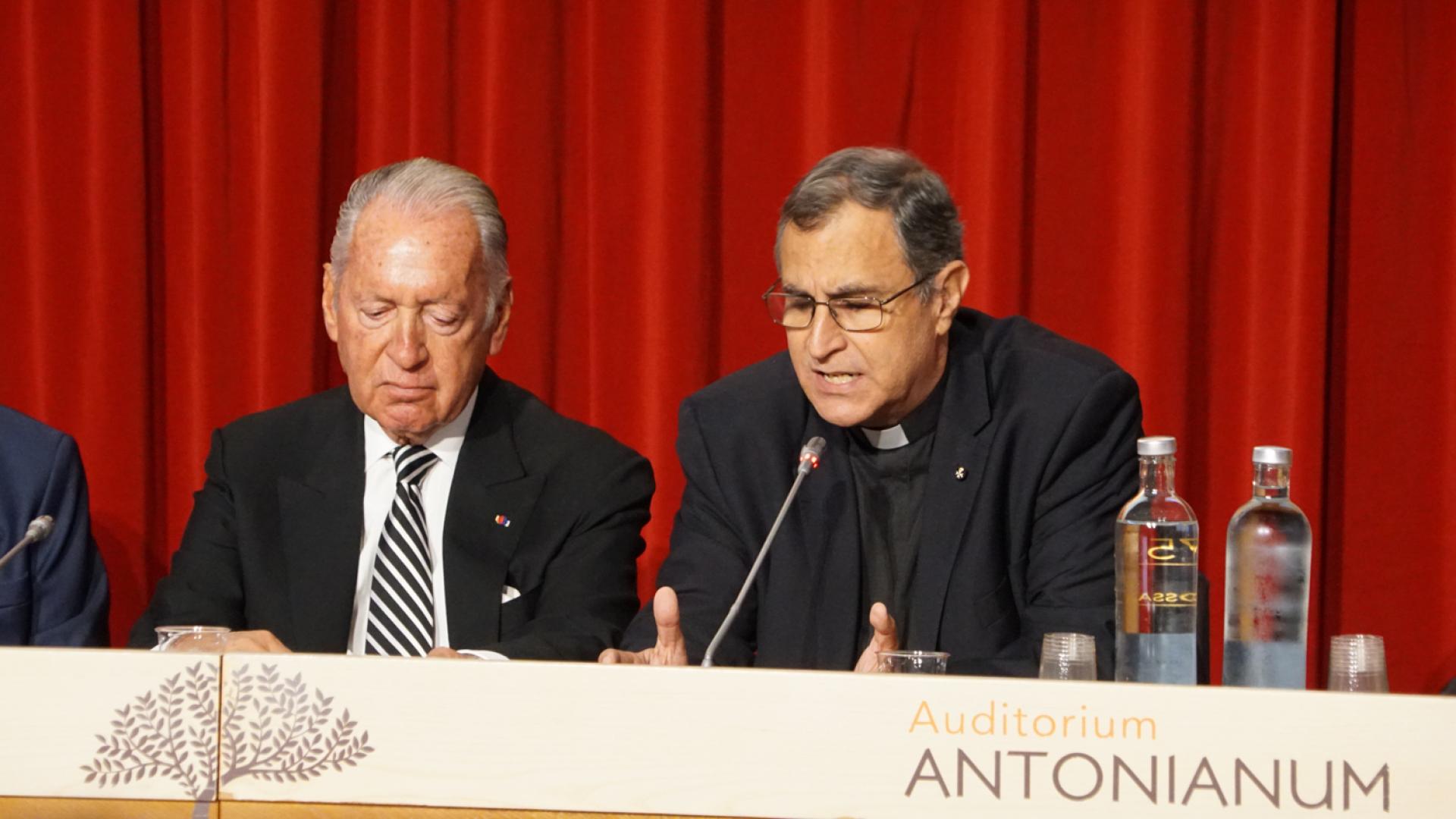
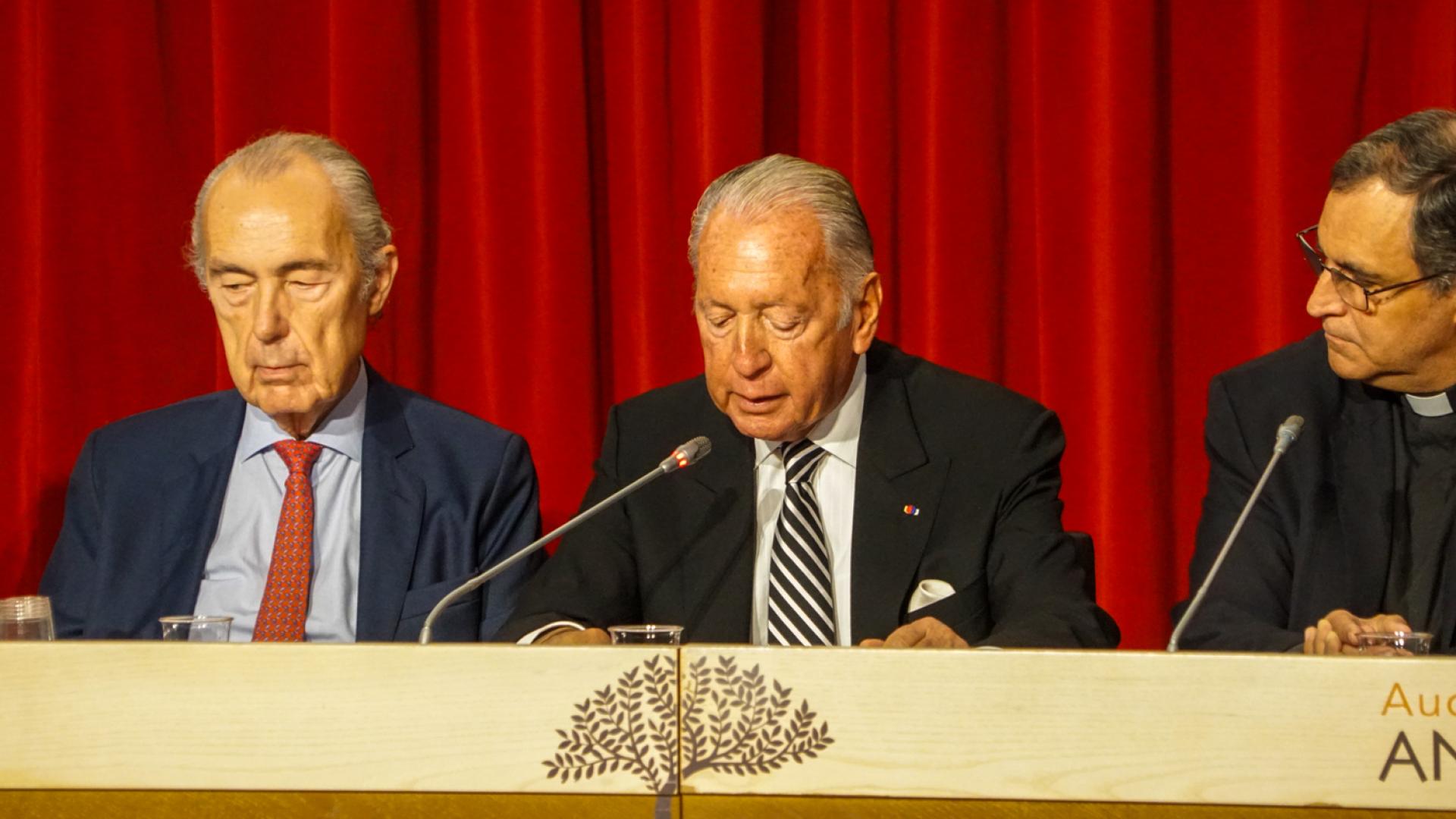
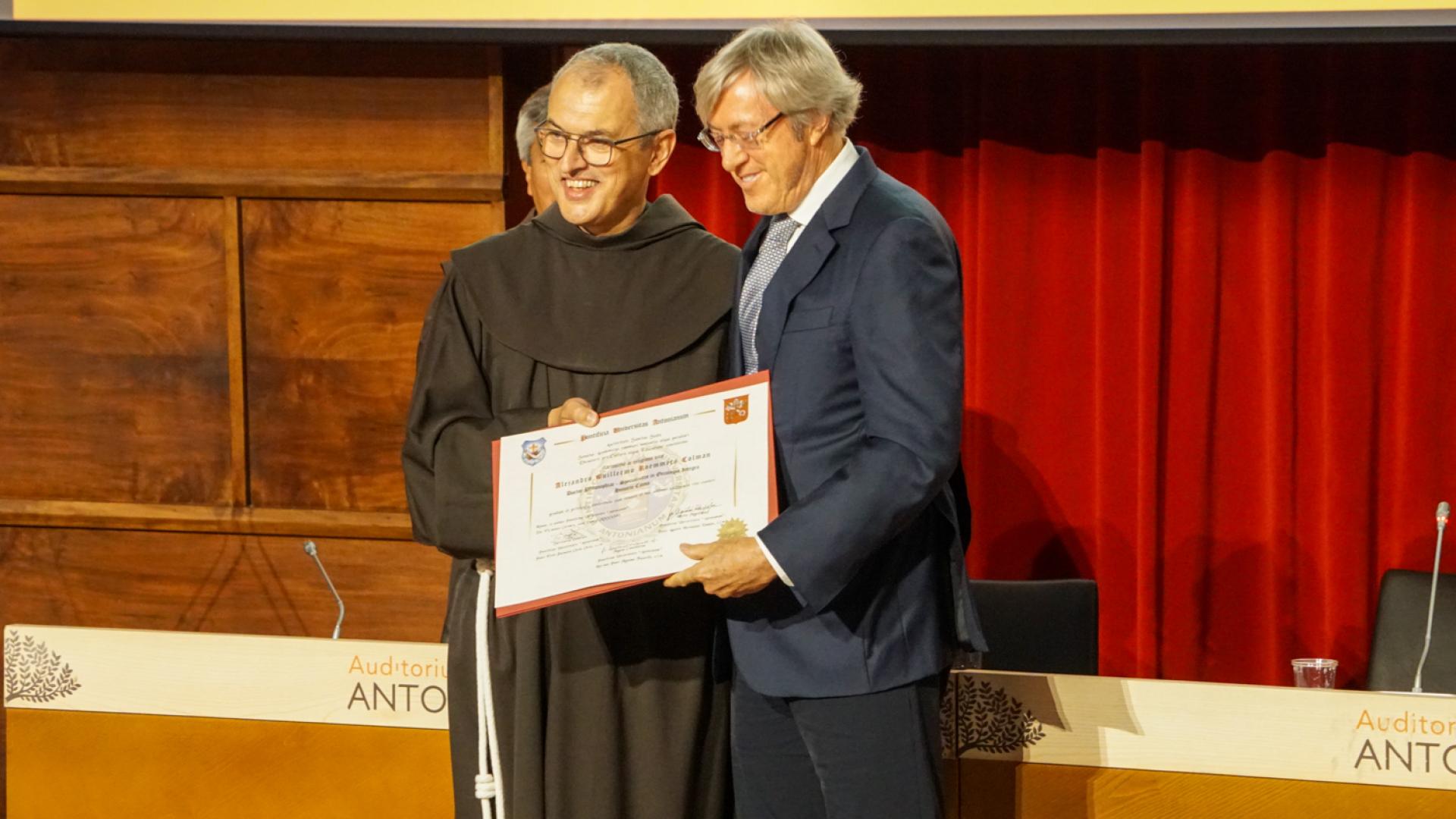
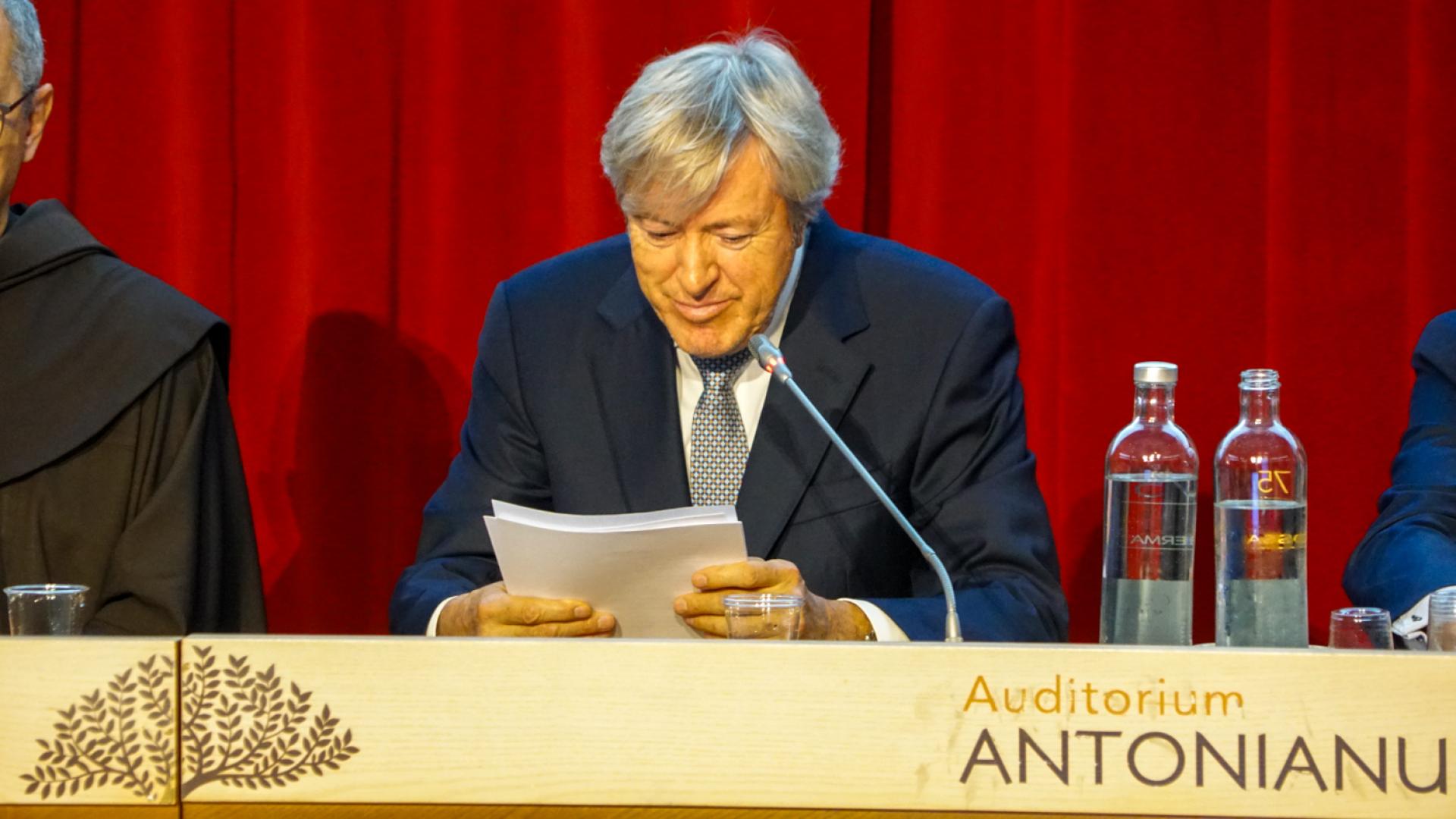
During the ceremony, Alejandro Guillermo Roemmers Colman was awarded an honorary Doctorate in Philosophy with a specialization in Integral Ecology. In his lectio magistralis, the Argentine writer and philanthropist focused on happiness: "If as Christians we believe in a perfect and omnipotent God who in his ultimate essence is a pure energy of love, we can have no doubt that God created us for life, for light and happiness, not for pain, darkness and suffering. [...] It is not only our right, but also our primary duty as human beings, to develop our potentials or, in the words of Jesus, to make our talents bear fruit and not leave them buried." Alejandro Guillermo Roemmers Colman then went on to give his "Teachings on Happiness": accepting oneself, with one's limitations and defects, always trying to improve, for one's own good and that of others; committing oneself and giving oneself to enable all human beings to be happy; giving what we want to receive, living by building relationships, observing and discerning ourselves and the reality that surrounds us”. Referring to his own life experience, he emphasized the importance of seeking happiness first within oneself and not in the achievement of professional, social or economic goals.
Read the full text of the Minister General's homily