Poland, temporary exhibition at the Ethnographic Museum of Wrocław
Images of St. Francis from the collection of Prof. Franciszek Kusiak
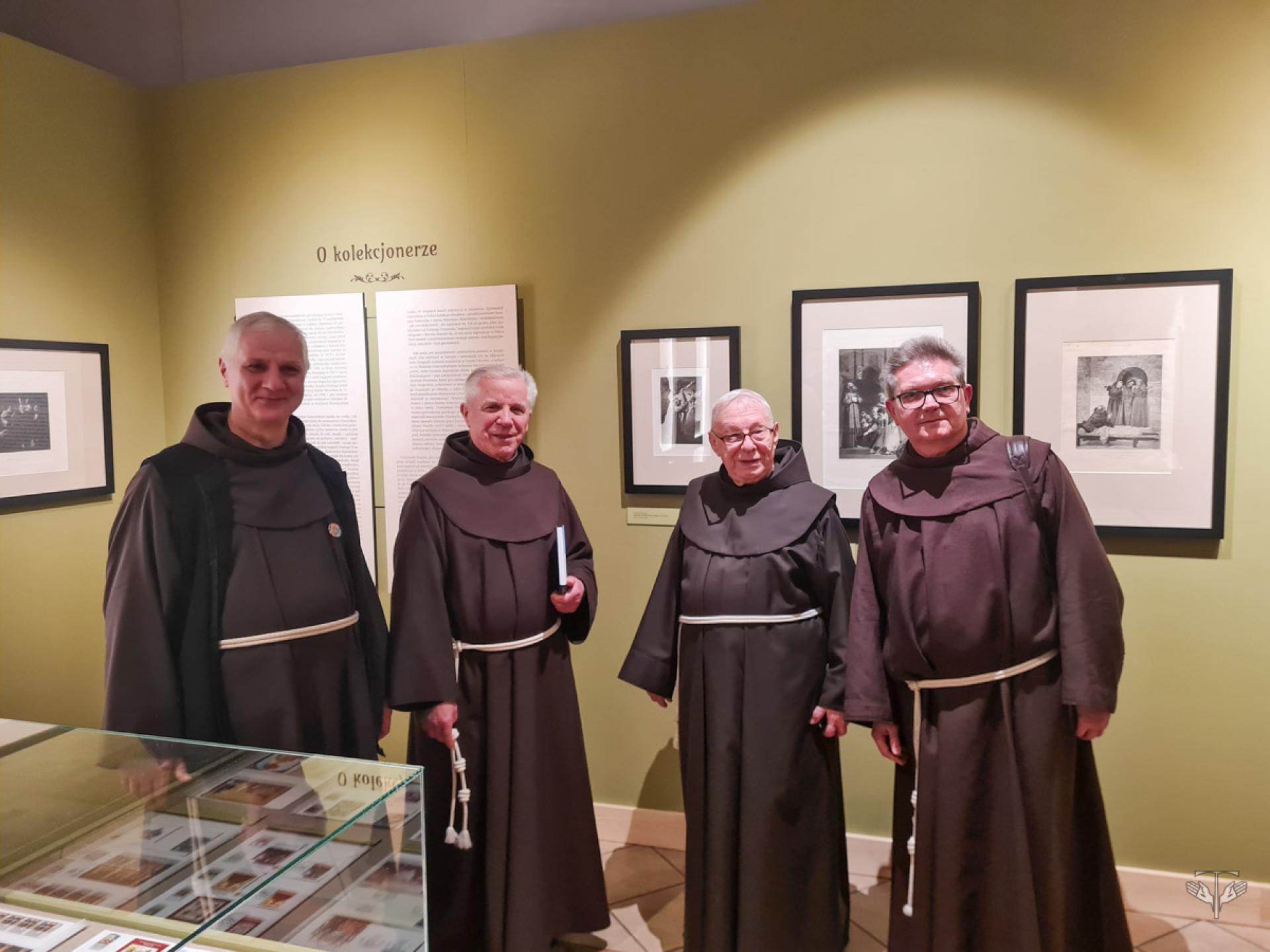
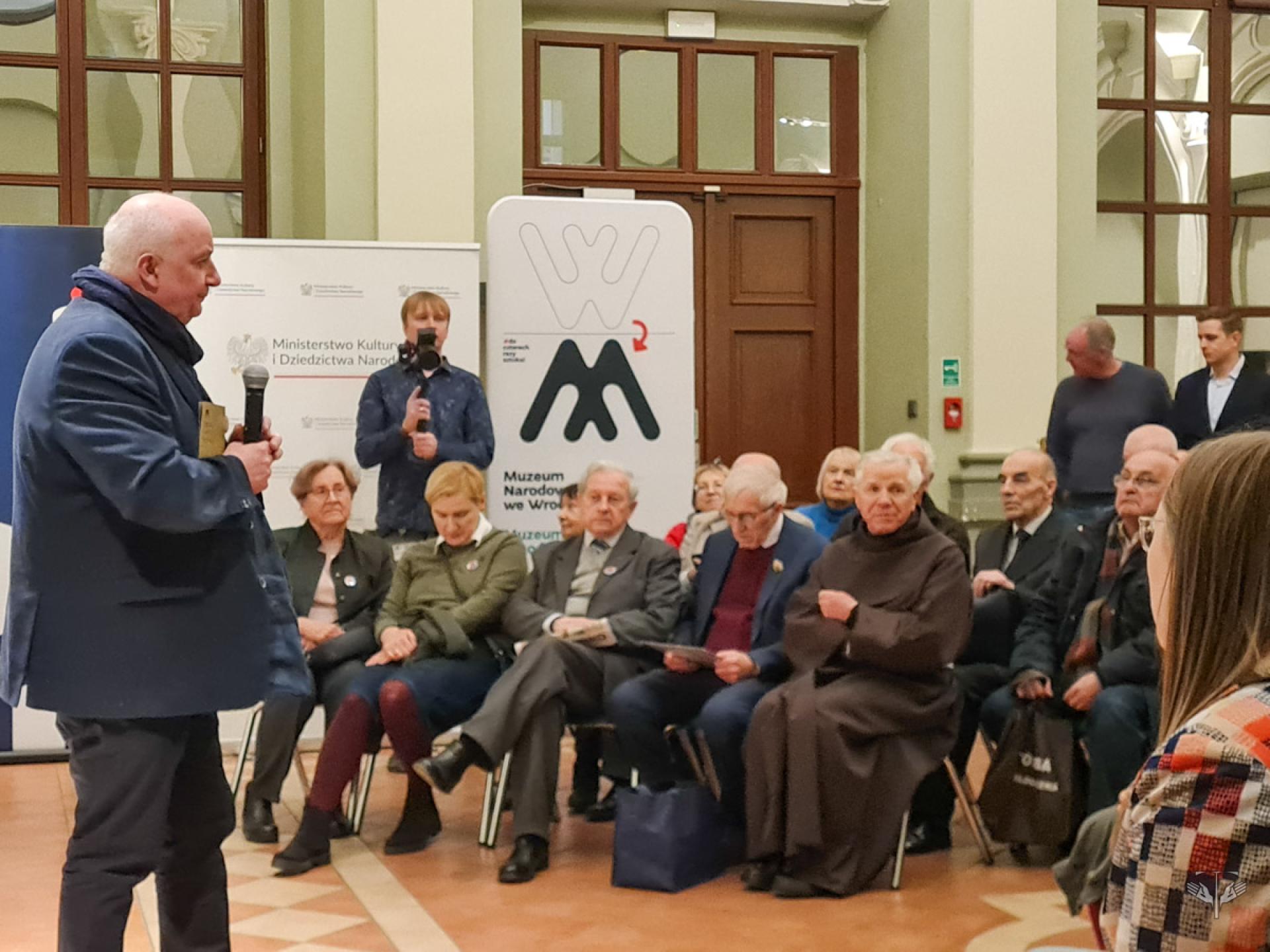
02 February 2026In the year of the 800th anniversary of the death of St. Francis of Assisi (†1226), an exhibition dedicated to the figure of the Poverello, the Little Poor Man of Assisi, was inaugurated on the 24th January at the Ethnographic Museum of Wroclaw, one of the most important ethnographic museums in Lower Silesia, Poland. The exhibition, open until the 1st March, 2026, is part of the jubilee celebrations being promoted worldwide, aimed at recalling the spiritual legacy of St. Francis and the relevance of his message to the life of the Church and contemporary culture.
The exhibition features over 350 works depicting St. Francis of Assisi, including paintings and sculptures, medals, stamps, and stained-glass windows. The exhibition, entitled The Preaching to the Birds, offers the collection of Prof. Franciszek Kusiak, historian and long-time professor at the University of Wrocław, who for over eighty years has been passionately collecting objects related to the iconography of his patron, St. Francis of Assisi.
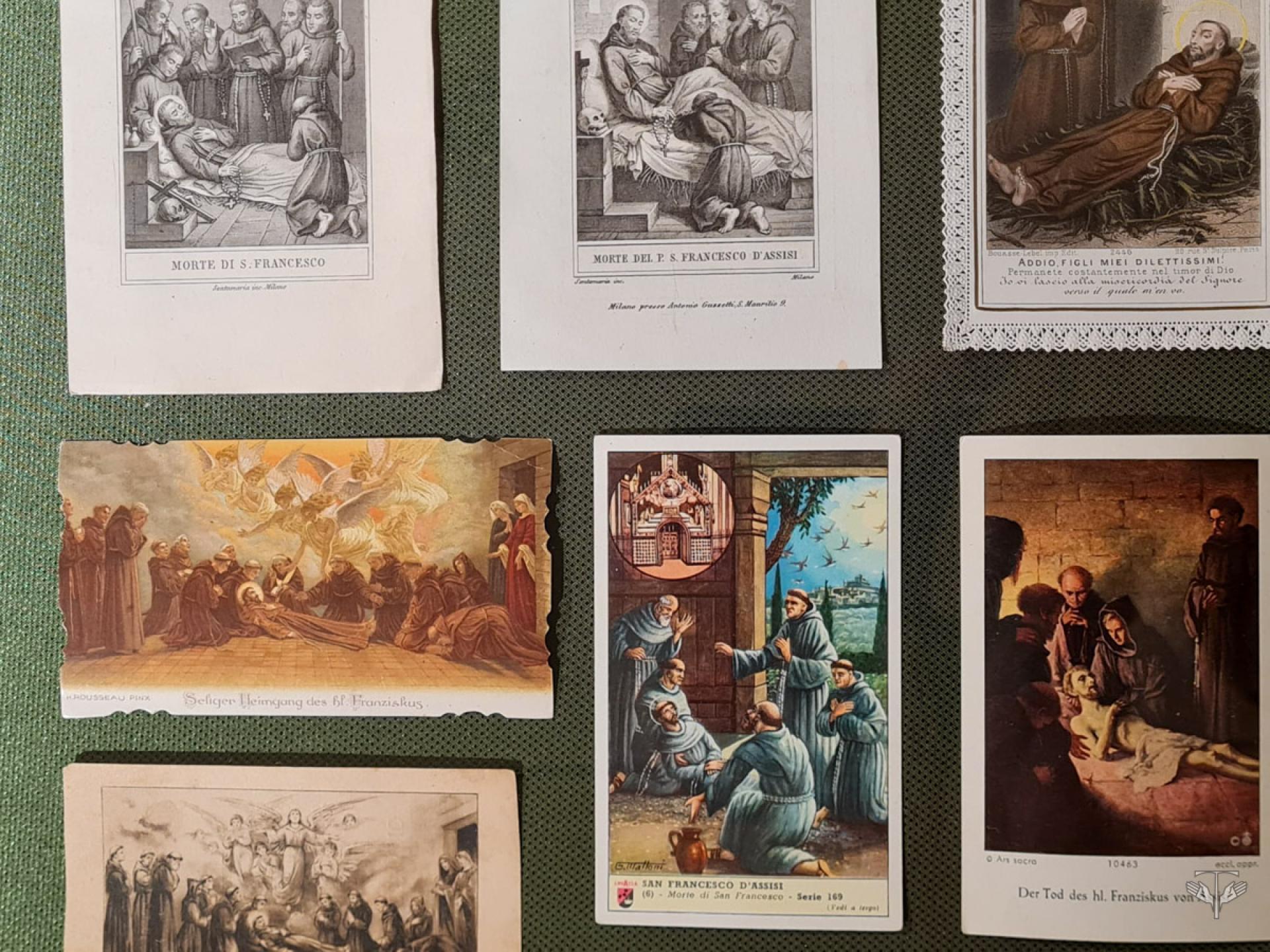
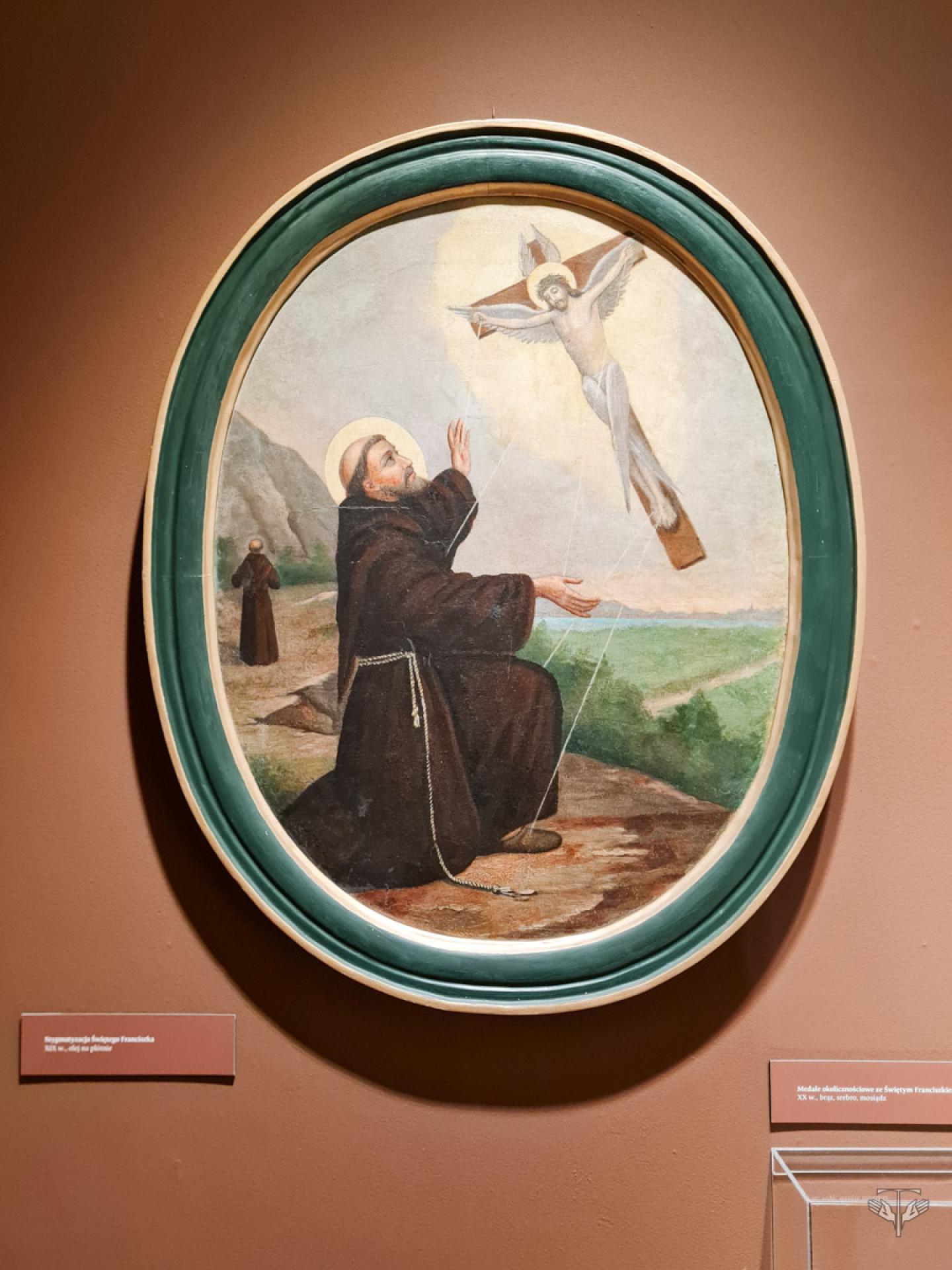
Visitors can admire numerous devotional images created using various graphic techniques. Some of them are unique specimens and rarely accessible to the public, others come from famous series published between the seventeenth, eighteenth and nineteenth centuries by important European printing workshops. Particularly relevant are two French nuclei from the first half of the twentieth century, which are distinguished by geometric ornamentation and the use of lettering typical of the Art Deco style.
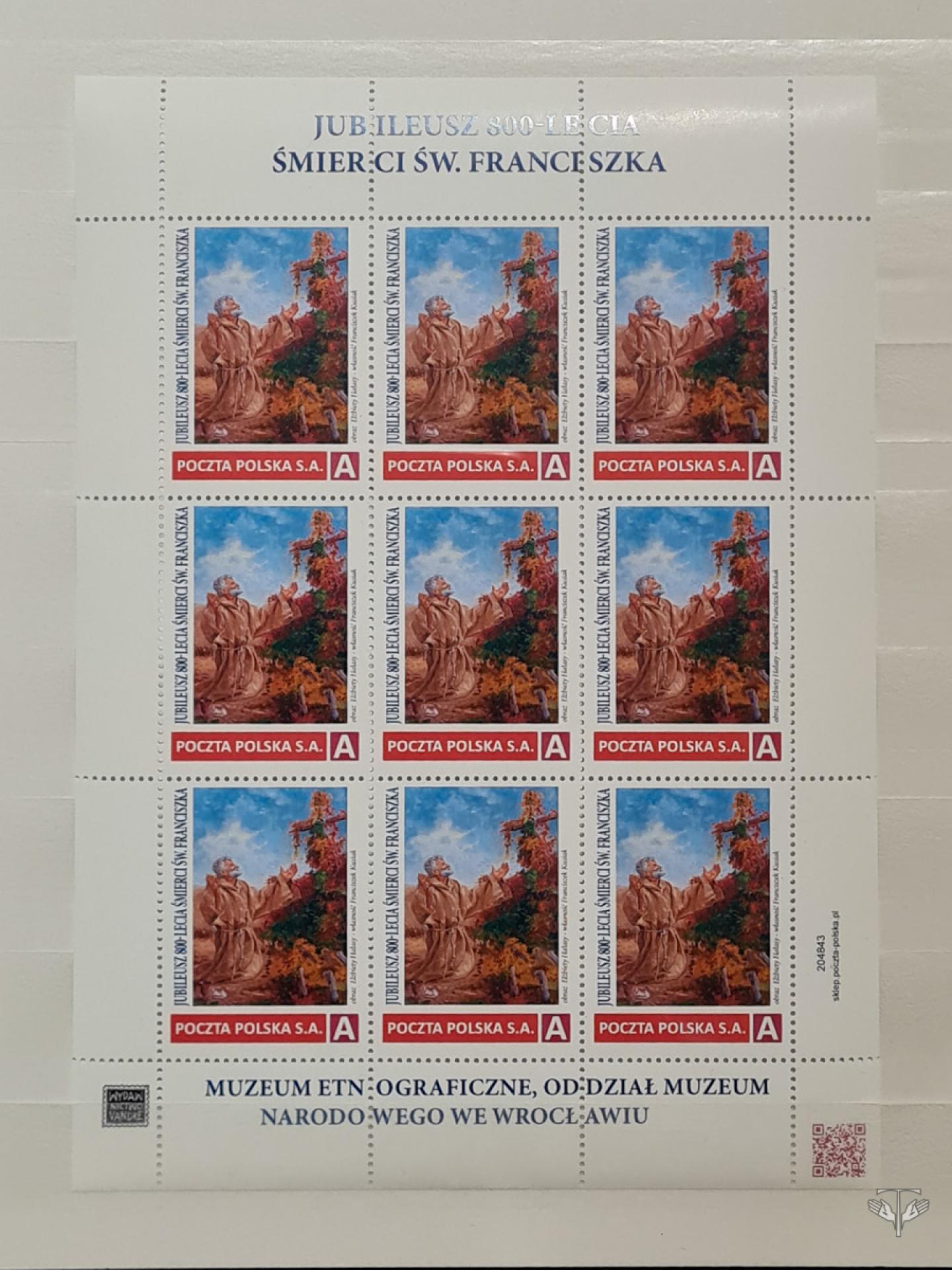
A significant part of the exhibition consists of commemorative medals, minted, or cast on the occasion of solemn anniversaries and important events in the life of St. Francis. Stamps serve a similar function and are issued by many countries, both as single specimens and in series. They reproduce works by the great Masters of Art, such as Giotto, Botticelli, El Greco and Titian. Amongst the medals on display, the one depicting Jacopa dei Settesoli, one of the few women who played a significant role in the life of St. Francis, is also of particular interest.
A rare and particularly valuable element of the collection are two stained glass windows with the image of St. Francis, often called the "Saint of animals". Their presence in the exhibition takes on special importance, as stained-glass windows are only rarely presented in museum exhibition spaces.
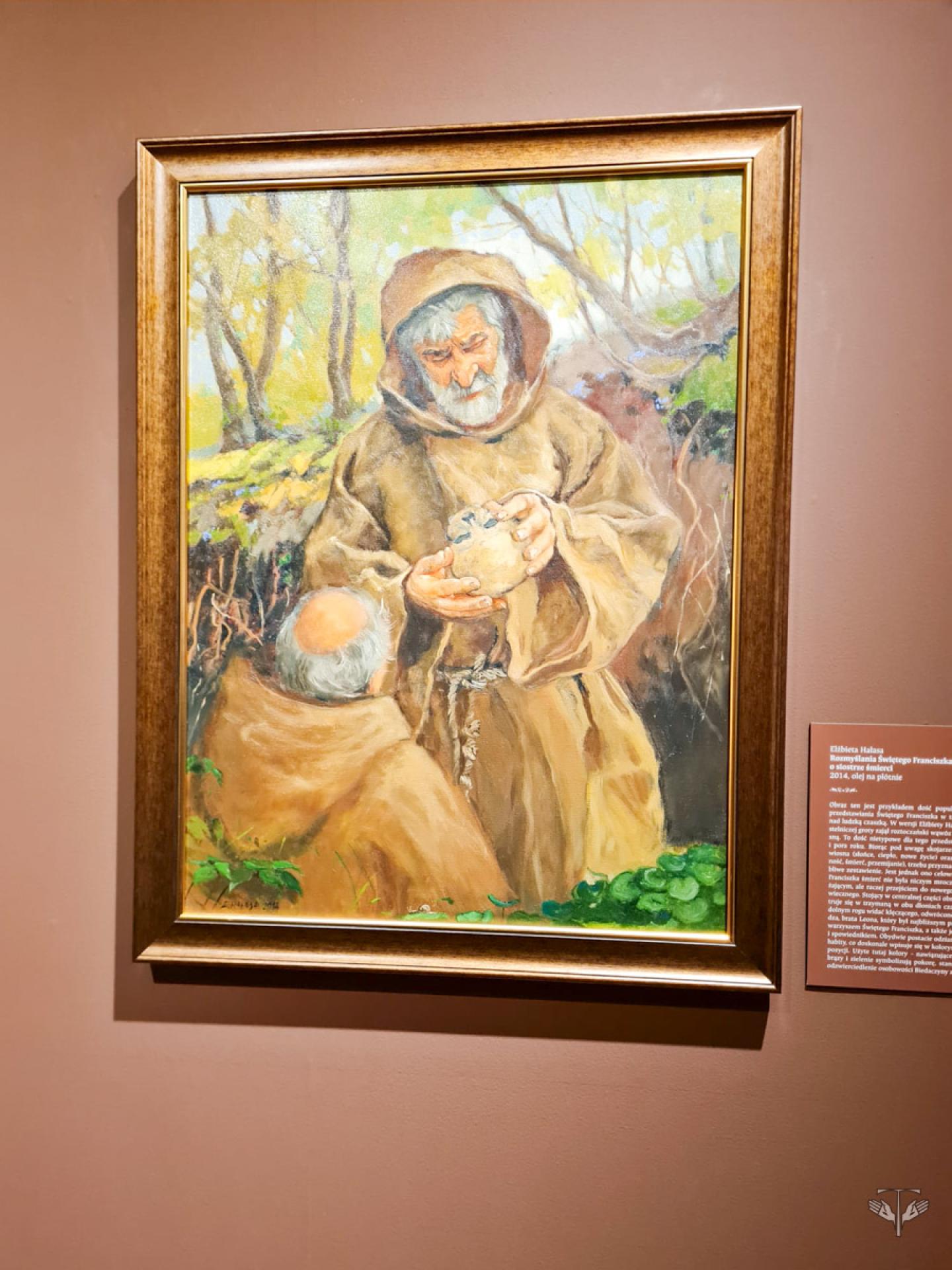
The exhibition also includes works by the contemporary painter Elżbieta Hałasa, originally from the Roztocze area, whose artistic language is in deep harmony with Franciscan spirituality. In his paintings, St. Francis is depicted against the background of the characteristic nature of Roztocze, in unusual situations far from traditional iconography, such as during work in the fields at harvest time.
The works presented testify to the richness of Franciscan iconography and the variety of artistic languages. As the curator of the exhibition, Joanna Kurbiel, points out, "the life of St. Francis was short but intense, marked by fundamental events such as stigmatization, preaching to birds, the encounter with the wolf of Gubbio and the sultan of Egypt, the blessing of Assisi, the adoration of the cross and finally death, which still continue to be a source of inspiration for artists to-day."
The exhibition allows us to retrace the evolution of the visual narrative on St. Francis of Assisi over the centuries and to grasp how deeply Franciscan symbolism is rooted in European culture.